
Get a Apartment Building Insurance quote from our local specialists
Capstone Insurance Group
What is apartment building insurance and who needs it?
Apartment building insurance is a specialized commercial policy designed to protect residential property owners from devastating financial losses. If you own a multi-family property, whether it is a small duplex or a sprawling multi-story complex, this coverage safeguards your physical structures and liability exposure. Minnesota landlords face unique environmental and legal challenges throughout the year, making robust protection a necessity rather than an option. Any individual or business entity that owns residential rental properties with multiple units requires this policy. This includes real estate investors, property management companies, and housing cooperatives. Unlike standard homeowners policies, which only cover owner-occupied single-family homes, this specialized commercial property insurance addresses the complex risks of renting to multiple independent tenants. It covers the physical buildings, detached structures like garages, common areas, and the landlord’s personal property used to maintain the premises. Furthermore, anyone concerned about liability claims stemming from tenant or guest injuries on their property must secure this coverage. Slips and falls on icy sidewalks during freezing winters are common occurrences that can lead to expensive lawsuits. By securing this coverage, property owners protect their cash flow, satisfy lender requirements, and ensure their real estate investments can withstand unexpected disasters.


















How does apartment building insurance work in a real-world scenario?
To understand how these policies function, consider a real-world situation involving a property owner in Minnesota. During a harsh winter freeze, a pipe bursts in a twelve-unit building, causing severe water damage to three units and forcing the tenants to relocate temporarily. Without the right protection, the owner would have to pay out of pocket for structural repairs, mold remediation, and the lost rental income during the restoration process. Because the owner had a robust policy, the commercial property insurance carrier stepped in to cover the dry-out services, structural repairs, and the lost rent under the business income provision. The table below illustrates a representative breakdown of typical claims filed by multi-family property owners across the state in a single year, highlighting why having active coverage is so critical.
| Claim type | Average repair cost | Common cause of loss |
|---|---|---|
| Water damage | $18,500 | Frozen pipes and plumbing failures |
| Wind and hail damage | $32,000 | Severe summer storms and tornadoes |
| Liability claims | $45,000 | Slip and fall accidents on icy walkways |
| Fire damage | $115,000 | Electrical faults or tenant cooking accidents |
This data highlights that property damage is not a rare exception but an ongoing cost of doing business. Having a policy in place ensures that a single major event does not force you into bankruptcy or foreclosure. It allows owners to maintain their buildings and keep their rental businesses operational even after significant disasters.
How much does apartment building insurance cost?
The cost of securing your investment varies based on several key risk factors. Insurance companies evaluate the age of your building, construction materials, building security systems, loss history, and the specific city where the property is located. For instance, a brick building built in 2015 will generally cost less to insure than a wood-frame structure built in 1970 due to fire risks. To give you a clearer idea of the financial commitment, we have compiled an estimated pricing table showing typical costs for apartment building insurance.
| Building size | Estimated annual premium | Average deductible limit |
|---|---|---|
| Small (2 to 4 units) | $2,200 – $4,500 | $1,000 – $2,500 |
| Medium (5 to 20 units) | $5,000 – $12,500 | $2,500 – $5,000 |
| Large (21 to 100 units) | $14,000 – $35,000 | $5,000 – $10,000 |
| High-rise (100+ units) | $40,000+ | $10,000+ |
While these figures represent average ranges, your actual costs will depend on your specific coverage limits, deductible choices, and additional policy endorsements. Purchasing coverage with a higher deductible can help lower your annual premiums, provided you have the reserves to cover that deductible in a claim scenario.
What should you consider and what are the limitations of apartment building insurance?
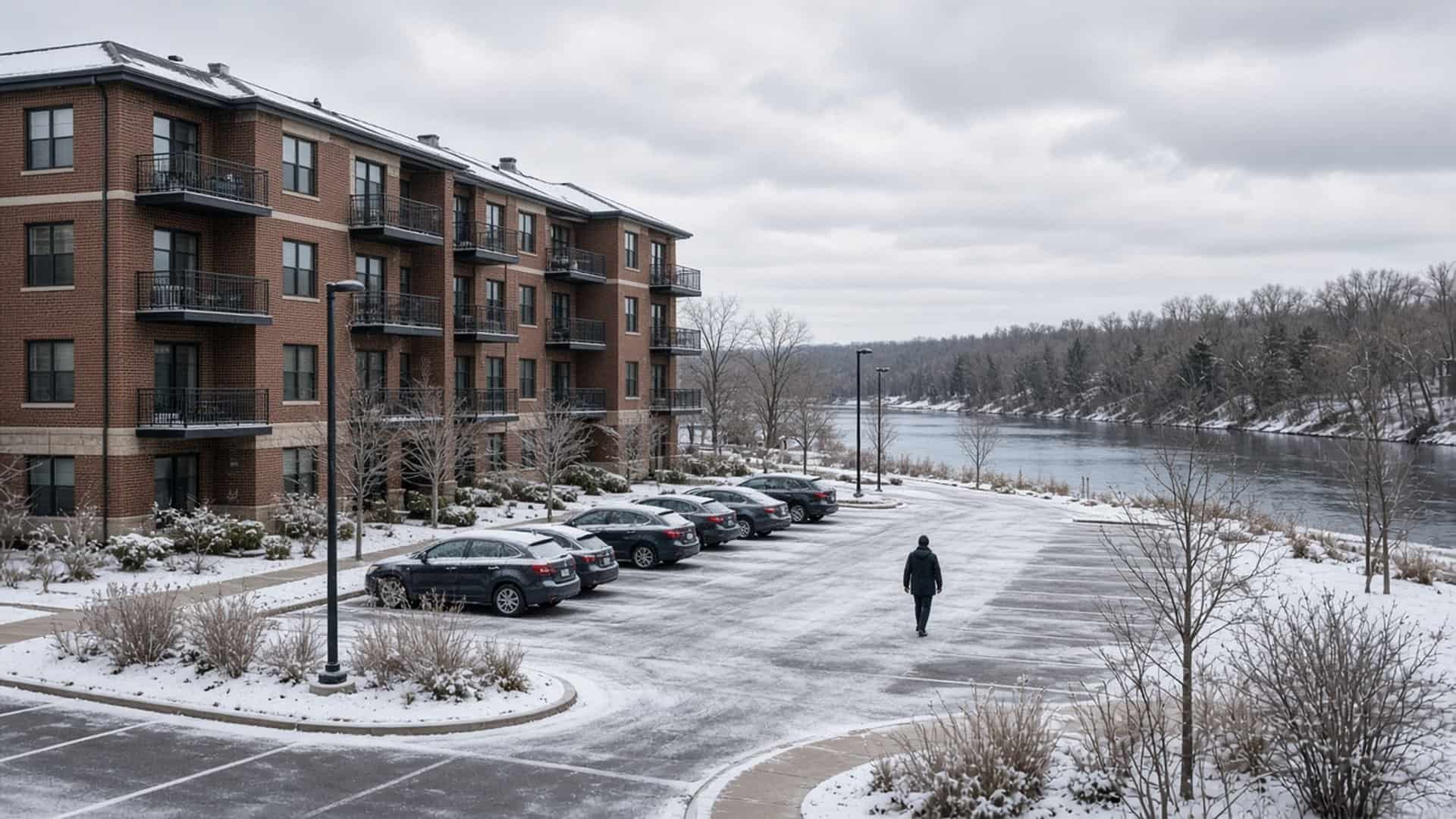
When shopping for apartment building insurance, you must pay close attention to policy exclusions and limitations. A standard policy does not cover every possible source of damage. For example, standard commercial property insurance policies explicitly exclude damage caused by floods, surface water, or sewer backups unless you purchase specific endorsements or separate policies. Properties near rivers or in low-lying areas are particularly vulnerable to spring snowmelt floods, making flood endorsements a critical consideration. Another major limitation is that your policy does not cover the personal belongings of your tenants. If a fire destroys an entire unit, your policy covers the physical walls, flooring, and appliances that you own, but it will not pay to replace the tenant’s furniture, electronics, or clothes. For this reason, many smart landlords require all tenants to carry active renters insurance as a condition of their lease agreements. Additionally, general wear and tear, gradual deterioration, and lack of maintenance are never covered by commercial policies. If a roof leaks because it is thirty years old and past its useful life, the insurer will deny the claim. You must also consider co-insurance clauses, which require you to insure your building for a minimum percentage of its actual replacement value. Failing to meet this requirement can result in severe financial penalties when you file a claim. Carefully reviewing these limitations with an experienced agent ensures you do not face surprise out-of-pocket expenses when a crisis occurs.
Which other policies work alongside apartment building insurance?
While the primary property policy forms the foundation of your risk management strategy, it rarely covers every exposure your business faces. To build a complete safety net, most successful real estate investors combine their property policies with other essential commercial coverages. By bundling multiple policies, you protect your business from liability lawsuits, employee injuries, and specialized system failures that fall outside the scope of basic property damage. The table below outlines the most common coverages used alongside your primary policy.
| Policy type | Primary purpose | Why it is needed |
|---|---|---|
| Commercial general liability | Covers third-party bodily injury and property damage claims | Protects against slip and fall lawsuits on your premises |
| Commercial umbrella insurance | Provides extra liability limits above primary policies | Safeguards your assets against catastrophic multi-million dollar lawsuits |
| Workers compensation | Covers medical bills and lost wages for injured employees | Mandatory if you employ maintenance staff or property managers |
| Equipment breakdown coverage | Covers repair costs for mechanical and electrical systems | Protects expensive HVAC units, boilers, and elevators from sudden failure |
Integrating these policies ensures that your rental business remains fully protected from both common daily operational risks and catastrophic liability events.
What do the statistics reveal about apartment building insurance?
Analyzing regional data reveals why having proper commercial property insurance is so vital for multi-family property owners in Minnesota. The region experiences extreme weather variations, ranging from severe summer hail storms to sub-zero winter temperatures. These weather patterns directly correlate with a high frequency of property damage claims. According to regional insurance data, weather-related events account for more than half of all property claims filed by commercial landlords. The table below highlights some key statistics regarding property risks and insurance claims.
| Metric | Statewide statistic | Key takeaway for landlords |
|---|---|---|
| Average winter temperature drop | -10°F to -20°F | High risk of frozen pipes and subsequent water damage claims |
| Annual hail storm frequency | 15 – 25 major events | Roof damage is a frequent and costly claim category |
| Average liability claim payout | $35,000 | Strong liability limits are essential to protect business assets |
| Percentage of uninsured tenants | Over 45% | Landlords must mandate renters insurance to avoid disputes |
These figures demonstrate that maintaining high-quality coverage is not just a regulatory hurdle or a lender requirement. It is an essential operational strategy that protects your hard-earned equity from the unpredictable environmental realities of operating rental properties in this region.
How can we help you secure the right apartment building insurance?
This specialized coverage is designed specifically for forward-thinking property owners, real estate syndicators, and property managers who want to secure their rental portfolios against unpredictable physical and financial threats. Whether you own a single duplex or a portfolio of mid-rise developments, managing your risk profile is key to long-term profitability. We proudly help over 68 customers with apartment building insurance in Minnesota, delivering tailored policies that meet lender requirements and protect valuable assets. Our team understands the local real estate market, regional weather risks, and state liability laws, allowing us to build the perfect insurance package for your specific business goals. We maintain a highly rated Google My Business page, built on a foundation of prompt communication, transparent pricing, and exceptional customer service. We make the insurance shopping process simple and efficient, allowing you to focus on managing your tenants and growing your real estate business. Contact us today to discuss your property portfolio. We can offer customized quotes without any sort of obligation, giving you the information you need to make an educated decision for your business. Let us help you find the right balance of broad coverage and competitive rates to keep your investments secure for years to come.
Get a Quote
Share your details with us, and our team of friendly agents will be in touch with you soon!