

Get a Condo Building Insurance quote from our local specialists
Capstone Insurance Group
What is condo building insurance and who needs it?
A: Condo building insurance is a specialized commercial property policy designed to protect the physical structure of a condominium development. Often referred to as an HOA master policy, this coverage protects common areas that unit owners share, such as hallways, roofs, lobbies, elevators, sidewalks, and shared recreational facilities. Condo associations and cooperatives need this protection to shield their shared assets from unexpected physical damage. In states with severe winter weather, heavy snowfall, freezing temperatures, and unpredictable storms, having this coverage is essential to protect properties in Minnesota. Without it, an association could face devastating out-of-pocket costs to repair structural damage after a fire, windstorm, or severe winter freeze. It ensures that the building can be rebuilt and maintained, preserving the property values of all individual unit owners involved. This coverage typically spans the exterior walls, roof, foundation, piping, electrical systems, and shared hallways, ensuring that the collective investment of all residents remains secure against sudden disasters. Board members must understand who holds the responsibility for different parts of the property, making this policy a fundamental pillar of community management.

























How does a master policy work in real life?
A: Consider a real-world scenario where a severe windstorm tears off a large portion of a residential roof. Under an HOA master policy, the association can file a claim to cover the shared roof repair costs rather than assessing each individual unit owner thousands of dollars. Weather events in Minnesota often cause significant exterior damage to shared residential structures, from hail-damaged siding to fallen trees on common buildings. The table below outlines typical annual claim distributions for shared residential complexes to show how often these situations occur.
| Claim type | Average annual frequency | Average claim cost |
|---|---|---|
| Wind and hail damage | 34% | $28,500 |
| Water damage from pipes | 28% | $18,200 |
| Fire and smoke damage | 12% | $85,000 |
| Liability injuries | 15% | $14,000 |
| Other physical hazards | 11% | $9,500 |
This data demonstrates that physical damage from wind and hail makes up the largest share of claims, making robust structural protection vital for any multi-family residential building. When a claim occurs, having a dedicated policy ensures that repairs begin quickly, minimizing disruption for the residents living inside the building.
How much does commercial residential coverage cost?
A: The cost of condo building insurance varies based on the age of the building, construction materials, safety features, and the chosen deductible. Setting a higher deductible can lower monthly premiums, but the association must have those funds available in their reserve account. To help budget for these expenses, review the estimated annual premiums based on different building sizes and deductibles for rates in Minnesota.
| Building size | Deductible amount | Estimated annual premium |
|---|---|---|
| Small (2-10 units) | $5,000 | $3,200 – $5,500 |
| Medium (11-50 units) | $10,000 | $8,500 – $14,000 |
| Large (51+ units) | $25,000 | $22,000 – $45,000 |
These figures serve as general estimates. Older buildings or those in high-risk areas may experience higher rates, while modern structures with updated fire sprinkler systems, security cameras, and modern plumbing often qualify for premium discounts. Associations must work closely with their finance committees to balance deductible levels with reserve fund realities.
What should you consider when choosing building coverage?
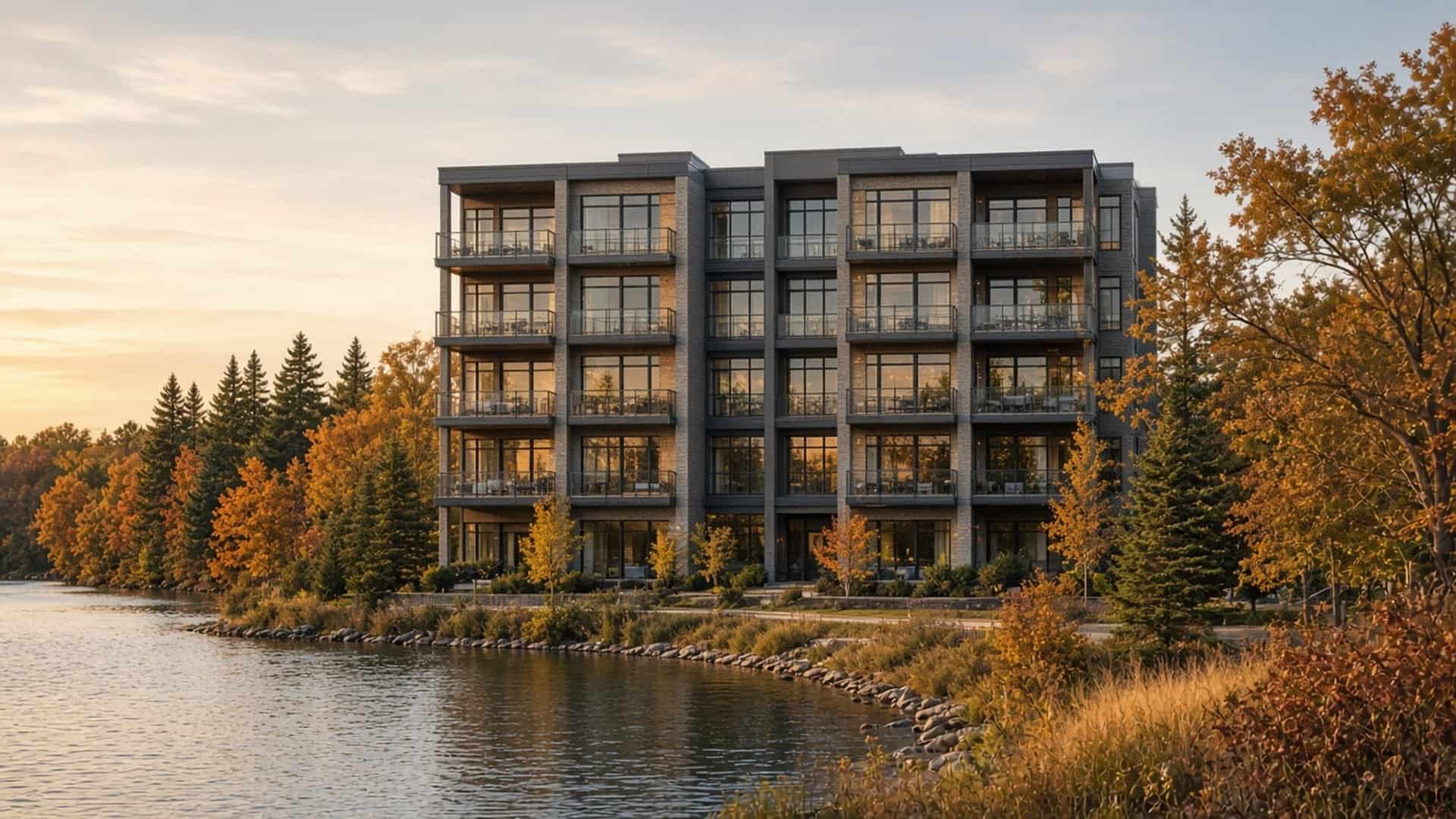
A: When evaluating the limits of condo building insurance, associations must decide between bare walls coverage and all-in coverage. Bare walls coverage only protects the collective structural elements like the framing, roof, and exterior walls. All-in coverage goes further, covering built-in appliances, flooring, countertops, and fixtures inside individual units. It is crucial to read the policy exclusions carefully. Standard policies typically exclude damage from floods, earthquakes, sewer backups, and general wear and tear due to poor maintenance. Furthermore, associations must ensure their coverage limits keep pace with rising construction costs so they are not left underinsured after a major loss. Failing to maintain adequate limits can result in co-insurance penalties, which significantly reduce the payout of a claim.
Which other coverages complement your main property policy?
A: A standard property policy does not cover every risk an association faces. Complements to an HOA master policy are necessary to protect against lawsuits, financial mismanagement, and employee theft. The table below details the essential coverages that work alongside your primary property protection.
| Coverage type | Primary purpose | Why it is needed |
|---|---|---|
| General liability | Covers bodily injury in common areas | Protects against slip-and-fall lawsuits |
| Directors and officers | Covers decisions made by board members | Protects board members from personal liability |
| Fidelity bond | Covers theft of association funds | Protects association reserves from embezzlement |
| Equipment breakdown | Covers mechanical failure of shared systems | Repairs shared HVAC, boilers, and elevators |
Combining these policies ensures the board is protected from both physical damage and operational liabilities. It creates a complete safety net that shields the community’s finances from unexpected legal and operational crises.
What are the common property risks and statistics?
A: Multi-family properties face unique risks due to shared walls and utility systems. A single pipe burst can damage multiple units simultaneously, leading to expensive claims under an HOA master policy. The table below highlights key risk statistics for multi-family properties to help associations understand their exposure.
| Risk factor | Statistical impact | Primary prevention method |
|---|---|---|
| Water damage | Accounts for 1 in 4 property claims | Regular plumbing inspections |
| Hail damage | Average claim exceeds $30,000 | Impact-resistant roofing materials |
| Electrical fires | Causes 10% of total property losses | Thermal imaging of electrical panels |
Staying proactive with building maintenance can significantly reduce the frequency of these claims and help keep your long-term insurance costs manageable. Regular safety audits and structural inspections are excellent ways to demonstrate to underwriters that your association is a low-risk client, which can lead to better terms.
How can you get a policy quote today?
A: This specialized protection is designed for condominium boards, cooperatives, and property managers who bear the responsibility of protecting shared community assets. We understand the unique challenges of managing multi-family properties, and we help over 87 customers with condo building insurance in our region. Our team works closely with associations in Minnesota to find tailored policies that fit within your budget while providing robust protection. We maintain a highly rated Google My Business page, reflecting our commitment to clear communication and exceptional customer service. Contact us today to request a quote without any sort of obligation, and let us help protect your community’s investment. Our experienced agents are ready to review your current bylaws and coverage to ensure there are no gaps in your protection.
Get a Quote
Share your details with us, and our team of friendly agents will be in touch with you soon!