

Get a Duplex Landlord Insurance quote from our local specialists
Capstone Insurance Group
What is duplex landlord insurance and who needs it?
Owning a multi-family property comes with unique responsibilities that standard home insurance policies do not cover. When you own a two-unit property, protecting your investment requires specialized coverage. Duplex Landlord Insurance is designed specifically for these properties, offering protection for the physical structure, liability claims, and loss of rental income. This coverage is essential because traditional homeowners policies usually exclude commercial rental activities. If you live in one unit and rent out the other, or if you lease both units to tenants, a standard policy will likely leave you with major coverage gaps. This specialized rental property insurance protects you from financial ruin if a tenant injures themselves on your property or if a sudden disaster damages the building. It ensures that your building, your liability risks, and your rental income stream remain secure against unexpected events. Whether you are an active real estate investor with multiple properties or a homeowner taking your first steps into property management by renting out half of your home, this coverage provides the safety net you need to operate with confidence. Without it, you could face devastating out-of-pocket costs for repairs, legal fees, or lost rent. By securing the correct policy, you safeguard your personal assets and ensure that your multi-family property remains a profitable, secure long-term investment. This policy works by combining property protection with liability coverage, giving you peace of mind that your financial future is secure.



























How does duplex landlord insurance work in Minnesota?
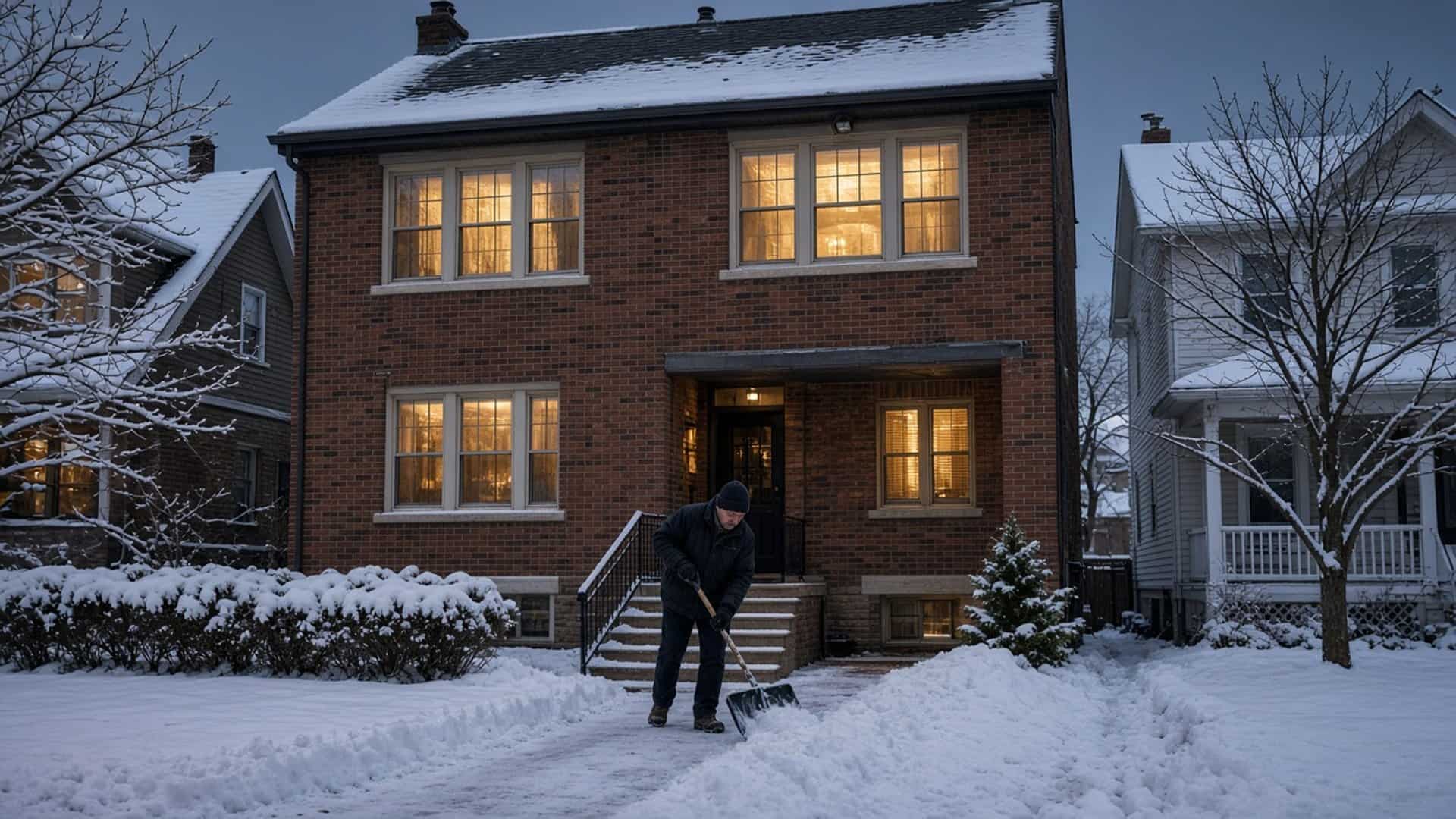
To understand how this protection functions in real-world scenarios, consider the unique climate and environmental challenges that property owners face. During freezing winters, pipe bursts are a common threat that can cause severe water damage to both units of a duplex. If a pipe bursts in the upper unit, the resulting water will quickly ruin the ceiling, walls, and flooring of the lower unit. Without the right coverage, you would have to pay for these extensive repairs out of your own pocket. A standard policy helps cover the cost of repairing the structure and drying out the property. Additionally, if the units become uninhabitable during repairs, the policy can compensate you for the lost rental income. Another common scenario involves liability: if a tenant or their guest slips on an icy walkway that you were responsible for clearing, you could be held liable for their medical bills and lost wages. The policy would step in to cover these legal and medical costs, protecting you from a major financial setback. This shows why having active coverage is so critical for landlords who manage multi-unit properties. The table below illustrates common claims and their typical impact on multi-unit properties in Minnesota during a typical calendar year.
| Claim type | Average payout | Frequency rate |
|---|---|---|
| Water damage from frozen pipes | $12,500 | High |
| Wind and hail damage | $25,000 | Very High |
| Tenant liability claims | $45,000 | Medium |
| Fire damage | $110,000 | Low |
How much does duplex landlord insurance cost in Minnesota?
The cost of protecting your multi-family property depends on several factors, including the age of the building, the materials used in construction, and the specific location of the property. When shopping for Duplex Landlord Insurance, you will find that premiums vary based on the coverage limits you select and the deductible amount you choose. Properties in areas prone to severe winter weather or windstorms often carry higher premiums due to the increased risk of property damage. Additionally, choosing replacement cost coverage instead of actual cash value will affect your premium, though it offers much better protection when you need to rebuild. To help you plan your budget, the table below outlines estimated annual premiums for rental property insurance across different property values in Minnesota.
| Property replacement value | Estimated annual premium (low risk) | Estimated annual premium (high risk) |
|---|---|---|
| $300,000 – $400,000 | $1,200 | $1,800 |
| $401,000 – $600,000 | $1,750 | $2,400 |
| $601,000 – $800,000 | $2,300 | $3,100 |
| $801,000+ | $3,000+ | $4,000+ |
What should you consider when choosing duplex landlord insurance?
When searching for the right policy, you must look beyond the monthly premium and evaluate the specific terms and limitations of the coverage. One critical factor is the distinction between replacement cost and actual cash value. Replacement cost coverage pays to rebuild your duplex at current construction rates, whereas actual cash value factors in depreciation, which can leave you short of funds after a major loss. You also need to pay close attention to policy exclusions. Most standard policies do not cover damage caused by backed-up sewers, earthquakes, or floods unless you add specific endorsements. Another limitation to consider is tenant property coverage. Your policy only protects your physical building and your liability; it does not cover your tenants’ personal belongings. Encouraging or requiring your tenants to carry renters insurance is a smart way to minimize disputes and protect both parties if a fire or other disaster occurs on the premises. Furthermore, when looking for Duplex Landlord Insurance coverage and evaluating your options, you must check the vacancy clause. If one or both units remain empty for an extended period, standard coverage may be suspended or limited unless you purchase a vacancy permit. Understanding these nuances ensures you are never caught off guard when filing a claim and helps you maintain continuous, reliable protection.
Which other coverages work alongside duplex landlord insurance?
While a primary landlord policy provides excellent foundational protection, it is rarely the only coverage you need to fully secure your real estate business. Experienced property owners often combine their primary policy with supplemental coverages to address specific risks that standard policies exclude. For instance, standard liability limits might not be high enough to protect your personal assets if a tenant files a major lawsuit. Combining your policy with other specialized coverages ensures you do not face devastating out-of-pocket expenses. The table below details the most common coverages used in conjunction with rental property insurance to create a complete safety net.
| Coverage type | Primary purpose | How it complements duplex policies |
|---|---|---|
| Umbrella insurance | Extends liability limits beyond standard policy caps | Protects personal assets if a major lawsuit exceeds duplex policy limits |
| Flood insurance | Covers water damage from rising external surface water | Fills the gap since standard policies exclude natural flooding |
| Sewer backup coverage | Covers damage from blocked drains and sump pump failures | Protects finished basements in multi-unit properties |
What are the key statistics for duplex landlord insurance in Minnesota?
Operating rental properties in the Midwest requires a clear understanding of regional risks and housing trends. Property owners in Minnesota must navigate extreme seasonal temperature swings, heavy snowfall, and summer storms that bring hail and high winds. These weather patterns lead to a higher rate of roof damage and water intrusion claims compared to milder regions. Furthermore, the local rental market features a high percentage of historic multi-family homes, which often have older electrical and plumbing systems that require careful risk management. Keeping your property well-maintained is key to preventing claims, but having the right policy ensures you are protected when the unexpected happens. Understanding these regional factors allows you to choose coverage limits that match the actual risks your property faces throughout the year. The table below provides a snapshot of key statistics that influence rental property insurance decisions in Minnesota.
| Data point | Minnesota statistic | Impact on insurance |
|---|---|---|
| Average age of duplex properties | 54 years | Older electrical and plumbing systems increase risk profiles |
| Percentage of renter-occupied units | 48% | Higher tenant turnover requires robust liability protection |
| Average winter snowfall | 54.4 inches | Increases ice dam risks and roof collapse claims |
Who is duplex landlord insurance designed for?
This specialized coverage is designed for anyone who owns a two-unit residential property, whether you live in one side as an owner-occupant or manage the entire building as an investment. We understand the unique challenges of managing multi-family properties, from maintaining old pipes during freezing winters to dealing with tenant disputes. Our team helps over 87 customers with Duplex Landlord Insurance in Minnesota, providing tailored solutions that fit your specific budget and risk tolerance. We have built a highly rated Google My Business page by delivering honest advice, fast service, and reliable support when our clients need it most. We can offer detailed quotes without any sort of obligation, allowing you to compare options and make an informed decision for your rental business. Contact us today to secure your investment and protect your rental income. Our experienced agents are ready to guide you through the process and help you find the perfect policy for your unique needs.
Get a Quote
Share your details with us, and our team of friendly agents will be in touch with you soon!