Get a Medical Supplies Store Insurance quote from our local specialists
Capstone Insurance Group
What is medical supplies store insurance & who may need it?
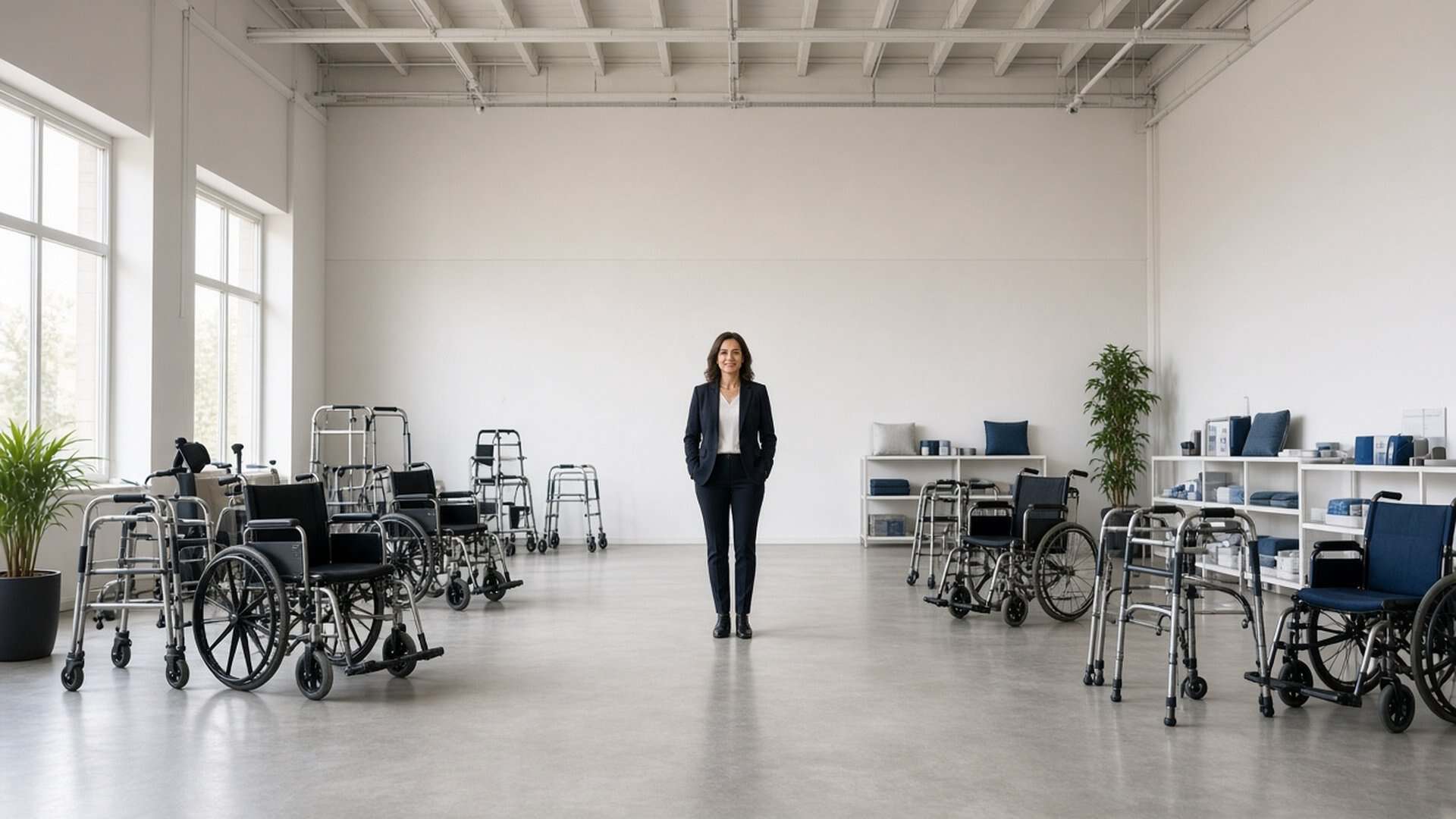
A: Operating a retail business that distributes healthcare equipment involves unique responsibilities. Medical Supplies Store Insurance is a specialized commercial insurance policy designed to protect businesses that sell, rent, or distribute medical devices and healthcare products. Whether your business sells mobility aids like wheelchairs, respiratory equipment like CPAP machines, or everyday items like surgical scrubs and bandages, you face specific exposures that standard retail insurance policies do not address. For retail operators in Minnesota who sell these vital products, securing the right coverage is essential to safeguard against costly lawsuits and physical damage. A major component of this protection is Medical Device Retailer Liability, which covers bodily injury or property damage caused by the products you sell or rent. If a customer claims a rented hospital bed malfunctioned and caused them physical harm, this specific liability coverage helps pay for legal defense costs and settlement fees. Anyone who operates a physical storefront, sells medical equipment online, or rents therapeutic devices to patients needs this protection. This includes independent pharmacy owners, specialized orthopedic supply shops, and large-scale distributors of clinical diagnostic tools. Without this tailored coverage, your business could face devastating financial consequences from a single product defect claim or a simple slip-and-fall accident on your commercial premises.








How does medical supplies store insurance work in real-world scenarios?
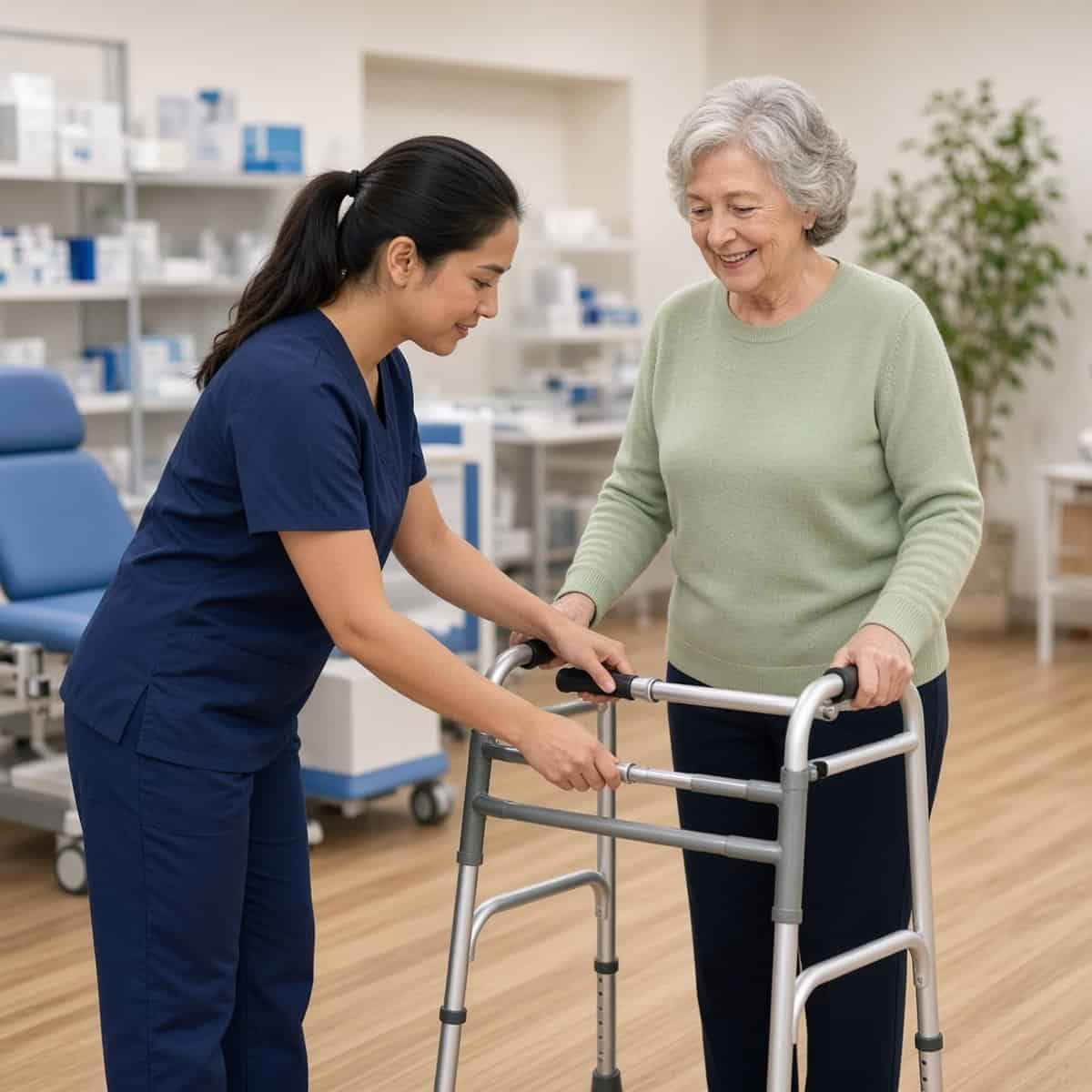
A: To understand how this coverage functions, let us look at real-world scenarios and data from recent commercial claims. Medical supply retailers in Minnesota faced various operational challenges over the past year, ranging from customer injuries to property damage caused by winter storms. When a business purchases Medical Supplies Store Insurance, the policy acts as a financial safety net that responds to third-party claims and physical losses. For example, if a delivery driver slips on ice outside your store entrance, your general liability portion handles the medical bills. If a patient experiences an injury because a mobility scooter you rented out had a faulty braking mechanism, your product liability coverage steps in to manage the litigation. The table below illustrates recent data regarding the types of claims filed by medical equipment retailers and the percentage of businesses utilizing these coverages to protect their operations.
| Type of claim filed | Annual claim frequency | Average settlement cost | Percentage of stores covered |
|---|---|---|---|
| Product liability injury | High | $45,000 | 88% |
| Customer slip and fall | Medium | $15,000 | 95% |
| Property water damage | Low | $28,000 | 72% |
| Employee lifting injury | Medium | $12,500 | 85% |
As shown in the data, product-related injuries carry substantial financial risks, which is why business owners utilize Medical Supplies Store Insurance to protect their personal and business assets from sudden liquidation.
What is the average cost of medical supplies store insurance?
A: The cost of securing your business depends on several factors, including your annual revenue, the specific products you sell, and whether you offer installation or rental services. Average premiums in Minnesota for a standard policy are highly competitive, allowing small business owners to find affordable protection without compromising on coverage limits. Retailers who limit their inventory to low-risk items like scrubs and walkers will generally pay lower premiums than those who rent out complex life-support machinery or custom power wheelchairs. To help you plan your budget, we have compiled a pricing table outlining the typical cost ranges for different levels of Medical Supplies Store Insurance based on business size and risk profile.
| Business size | Annual revenue range | Estimated monthly premium | Common coverage limit |
|---|---|---|---|
| Small retail shop | Under $500,000 | $65 – $110 | $1,000,000 |
| Medium supply store | $500,000 – $2,000,000 | $120 – $250 | $2,000,000 |
| Large distributor | Over $2,000,000 | $300 – $600+ | $5,000,000 |
Investing in a policy ensures that your daily retail operations can continue smoothly, even when unexpected claims arise. By working with an experienced agent, you can customize your policy to match your exact risk exposure.
What are the limitations of medical supplies store insurance?
A: While commercial insurance offers robust protection, business owners must understand the limitations and exclusions inherent in these policies. A standard policy does not cover every possible loss, and assuming you have unlimited protection can lead to costly gaps. For instance, regular property coverage will protect your physical inventory from fire or theft, but it will not cover damage caused by natural floods or sewer backups unless you add a specific endorsement. Furthermore, professional advice is often excluded from basic general liability. If your staff provides clinical advice on how to use a specialized ventilator and that advice leads to an injury, a standard policy might deny the claim because it requires professional liability coverage. Additionally, understanding your Medical Device Retailer Liability exposure means recognizing that product recalls are typically excluded from standard liability policies. If a manufacturer recalls a line of defective glucose monitors that you sold, the cost to notify customers, retrieve the items, and replace them is generally not covered unless you have purchased product recall insurance. It is also important to note that intentional acts, fraudulent claims, and employee dishonesty require separate, specialized coverage solutions rather than a basic retail policy.
Which other coverages work with medical supplies store insurance?
A: To build a complete protection plan, business owners often bundle Medical Device Retailer Liability with other commercial coverages that address different aspects of their daily operations. No single policy covers every risk, so combining complementary coverages ensures your physical assets, employees, and digital data remain secure. For example, while your primary policy protects against product defects and store accidents, it does not cover employee injuries or cyber data breaches. The table below details the additional coverages that medical supply businesses commonly use to create a secure safety net.
| Coverage type | Primary purpose | Why medical stores need it |
|---|---|---|
| Workers’ compensation | Covers employee injuries | Required by law for stores with staff lifting heavy equipment |
| Cyber liability | Protects digital data | Essential for stores keeping customer medical and credit records |
| Commercial auto | Insures delivery vehicles | Necessary if you deliver oxygen tanks or hospital beds to homes |
| Business interruption | Replaces lost income | Keeps you afloat if a fire forces your storefront to close temporarily |
By integrating these coverages, you protect your business from multi-angled threats, ensuring long-term operational stability.
What are the latest statistics for medical supply businesses?
A: The medical equipment distribution sector has experienced significant growth, driven by an aging population and an increased focus on home-based healthcare. However, this growth also brings heightened liability exposures. Industry statistics indicate that claims associated with Medical Supplies Store Insurance highlight the rising cost of litigation and medical care. Over the past five years, the average payout for product liability lawsuits in the healthcare sector has increased by fifteen percent. Local businesses in Minnesota have reported a higher volume of claims related to delivery and installation services, as more stores now offer home setup for complex medical beds and patient lifts. Research shows that forty percent of small businesses will experience a property or liability claim within the next ten years. For medical retailers, the most common claims involve slip-and-fall incidents in showrooms, followed closely by water damage to sensitive electronic diagnostic inventory. Failing to secure adequate limits can leave a business vulnerable to bankruptcy, especially since a single major product liability lawsuit can easily exceed several hundred thousand dollars in legal defense fees alone.
How can you get a medical supplies store insurance quote?
A: This specialized coverage is designed for retail store owners, online distributors, and equipment rental companies who want to protect their investments and maintain compliance with industry standards. We help over 84 customers with Medical Supplies Store Insurance in Minnesota, ensuring that local businesses receive customized protection tailored to their specific operations. Our team understands the nuances of the medical retail industry, including specialized Medical Device Retailer Liability coverages and property protections for high-value diagnostic equipment. We have a highly rated Google My Business page, reflecting our commitment to clear communication, competitive pricing, and reliable customer service. We make the process simple and stress-free by offering thorough coverage evaluations and fast quotes without any sort of obligation. Contact us today to discuss your business needs and let our experts help you secure the right policy to protect your store, your employees, and your customers.
Get a Quote
Share your details with us, and our team of friendly agents will be in touch with you soon!