

Get a Restaurant Insurance quote from our local specialists
Capstone Insurance Group
What is restaurant insurance and who needs it?
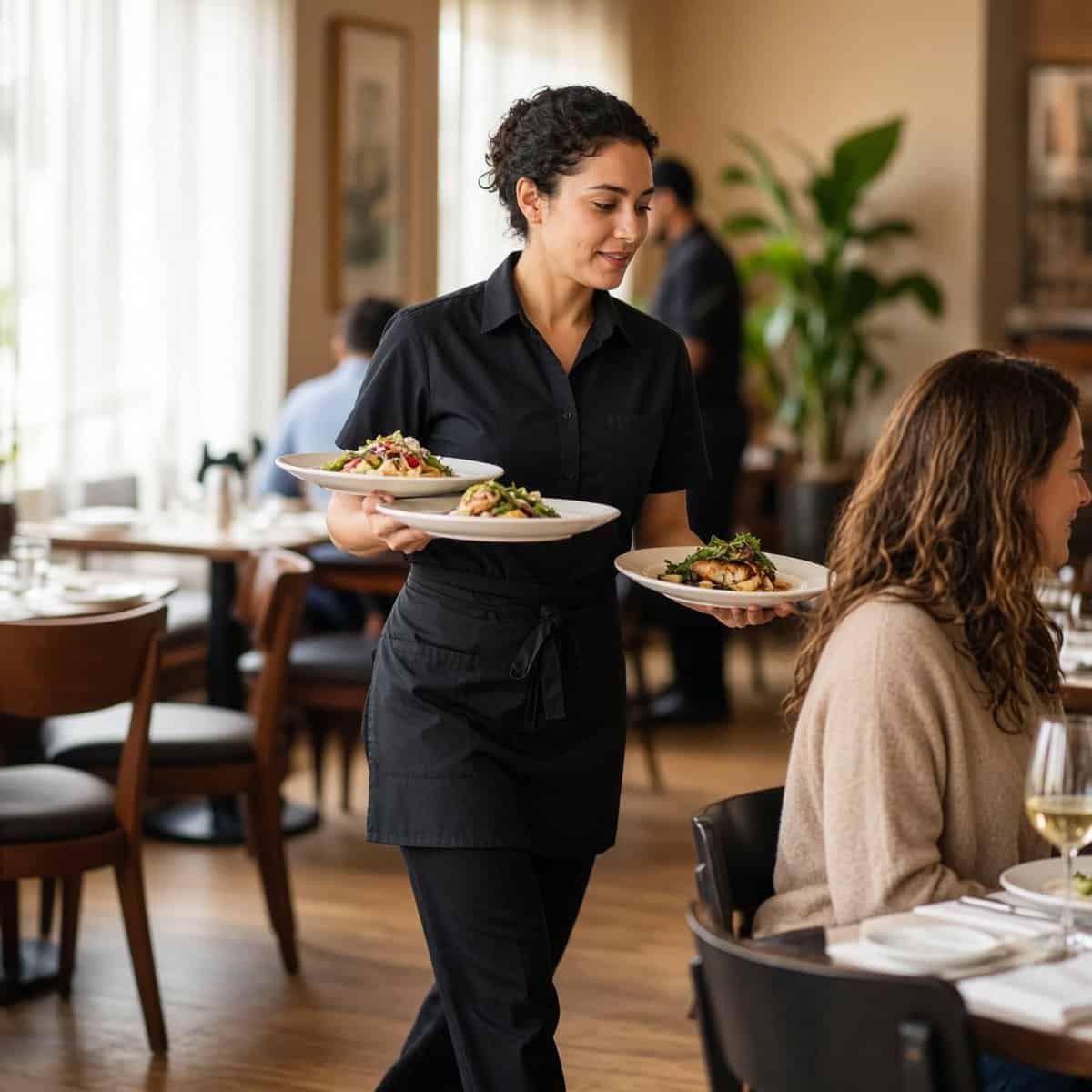
Running a dining establishment involves managing many moving parts, from kitchen safety to customer satisfaction. Restaurant Insurance is a specialized package of coverages designed to protect food and beverage businesses from the unique risks they face daily. In Minnesota, this coverage helps safeguard your investment against common hazards like slip-and-fall accidents, foodborne illnesses, property damage, and employee injuries. Whether you operate a cozy cafe in Duluth, a bustling diner in St. Paul, or a trendy bistro in Minneapolis, having the right protection ensures that an unexpected accident does not force you to close your doors permanently.
Who actually needs this type of protection? The simple answer is anyone who prepares or serves food and drinks to the public. This includes full-service restaurants, fast-food joints, food trucks, bakeries, caterers, and bars. Each of these businesses faces distinct liabilities. For example, a catering business needs protection while transporting food to off-site venues, while a tavern requires strong liquor liability coverage. A core component of this protection is Food service liability, which addresses bodily injury and property damage claims arising from your operations. If a customer slips on a wet floor near your salad bar or suffers from food poisoning after eating your daily special, this policy helps cover their medical bills and your legal defense costs. Without this safety net, a single lawsuit could easily wipe out your business savings. Investing in a tailored policy allows you to focus on serving great food and creating memorable experiences for your guests, knowing that your livelihood is secure.










How does restaurant insurance protect businesses?
To understand how these policies function in real life, let us look at how common claims impact food establishments across the state. From kitchen fires to customer injuries, the financial consequences of an uninsured incident can be devastating. For instance, a popular family restaurant in Rochester recently experienced a severe kitchen fire due to a malfunctioning deep fryer. The fire caused extensive smoke and property damage, forcing the owners to close for three weeks. Fortunately, their property and business interruption coverages stepped in to pay for the repairs and replace the lost income during the closure, saving the business from bankruptcy.
Another common scenario involves customer injuries. Consider a diner where a spilled beverage is not cleaned up immediately. A customer slips, falls, and fractures their wrist. The diner’s Food service liability coverage handles the medical expenses and legal fees, preventing a costly out-of-pocket payout. The table below outlines some of the most frequent claims filed by dining establishments in this state this year, highlighting the average costs associated with each event.
| Claim type | Annual frequency rate | Average cost per claim |
|---|---|---|
| Slip and fall injuries | 35% | $22,500 |
| Equipment breakdown | 22% | $12,000 |
| Foodborne illness claims | 15% | $45,000 |
| Kitchen fire damage | 12% | $75,000 |
| Liquor liability incidents | 16% | $55,000 |
These figures demonstrate that even minor incidents can lead to substantial financial burdens. By securing Restaurant Insurance, business owners transfer these risks to an insurer, ensuring that a single bad day does not ruin years of hard work.
How much does restaurant insurance cost?
The cost of securing your business varies based on several key factors, including your location, annual revenue, number of employees, and the specific services you offer. For example, a neighborhood bakery will pay significantly less than a high-volume bar that serves alcohol late into the night. Insurers evaluate these risk factors to determine your monthly premiums. In Minnesota, small to mid-sized food businesses can expect to find affordable coverage options that fit within their operating budgets.
To give you a clearer idea of what to expect, we have compiled a pricing table showing the average monthly premiums for different types of food businesses in the state. These estimates reflect standard packages that include general liability, property damage, and basic protection.
| Business type | Average monthly premium | Common coverage limits |
|---|---|---|
| Coffee shop / Bakery | $95 – $150 | $1M / $2M |
| Fast casual diner | $150 – $250 | $1M / $2M |
| Full-service restaurant | $250 – $450 | $1M / $2M |
| Bar or tavern (with alcohol) | $400 – $800 | $1M / $2M |
| Food truck / Mobile cart | $75 – $125 | $1M / $2M |
Investing in Restaurant Insurance is a manageable operational cost that provides invaluable peace of mind, allowing you to run your business with confidence.
What should you consider when buying restaurant insurance and what are its limits?
When shopping for Restaurant Insurance, you must carefully assess your specific operational risks rather than purchasing a generic, one-size-fits-all policy. For example, if your establishment serves craft beers or wine, you must add liquor liability coverage, as standard general liability policies exclude alcohol-related incidents. Similarly, if you rely on specialized equipment like walk-in freezers or commercial ovens, you should consider equipment breakdown coverage to protect against mechanical failures that could ruin your inventory.
It is equally important to understand the limitations and exclusions of your policy. No single insurance policy covers every possible scenario. For instance, standard property insurance does not cover damages caused by regional floods or sewer backups unless you purchase specific endorsements. Additionally, employee injuries are not covered under your liability policy; you must carry workers’ compensation insurance to meet state requirements and protect your staff. Wear and tear on kitchen equipment or intentional acts of wrongdoing are also universally excluded from coverage. Reviewing these details with an experienced agent ensures you do not face unexpected gaps in your protection when a crisis occurs.
Furthermore, you should pay close attention to your policy limits and deductibles. A lower monthly premium might seem attractive, but it often comes with a higher deductible that you must pay out of pocket before your coverage kicks in. If your restaurant experiences a major kitchen fire or a widespread foodborne illness outbreak, having low policy limits could leave you personally responsible for thousands of dollars in damages. Take the time to evaluate your daily foot traffic, the value of your physical assets, and your annual sales to determine the appropriate level of coverage for your specific business.
Which other coverages work alongside restaurant insurance to protect your business?
While Restaurant Insurance forms the backbone of your business protection, it works best when paired with other essential coverages. A complete risk management strategy requires a combination of policies that address different aspects of your operations, from your employees to your delivery vehicles. For example, if you offer home delivery or use a vehicle to pick up supplies, your personal auto policy will not cover accidents that occur during business hours. You will need commercial auto coverage to protect your drivers and vehicles.
To help you understand how these different policies fit together, we have created a comparison table outlining the key coverages that food business owners in this state frequently use alongside their core Food service liability protection.
| Coverage type | What it protects | Why you need it |
|---|---|---|
| Workers’ compensation | Employee injuries and lost wages | Mandatory in Minnesota for businesses with employees |
| Commercial auto insurance | Vehicles used for delivery or business errands | Protects against accident liabilities on the road |
| Employment practices liability | Claims of harassment, discrimination, or wrongful termination | Protects your management team from employee lawsuits |
| Cyber liability insurance | Data breaches and compromised customer payment info | Essential for businesses using digital point-of-sale systems |
Combining these coverages ensures your business is protected from all angles, reducing your overall vulnerability.
What do the statistics show about restaurant insurance?
The food service industry is a vital part of the local economy, employing hundreds of thousands of residents and serving millions of meals each year. However, operating in this sector comes with inherent risks. Industry statistics show that food service establishments face a higher rate of slip-and-fall claims and property damage incidents than many other retail sectors. Understanding these trends helps business owners make informed decisions about their coverage limits.
According to recent state business data, kitchen fires remain the leading cause of structural damage in commercial dining spaces, often resulting in prolonged closures. Furthermore, liability claims related to food safety and customer slip-and-falls have risen steadily over the past few years. The table below highlights key statistics regarding the food service industry and related claims in Minnesota.
| Metric | State statistic | Industry impact |
|---|---|---|
| Active food establishments | Over 10,000 statewide | High competition and diverse risk profiles |
| Average fire claim cost | $75,000 per incident | Highlights need for property damage limits |
| Slip and fall litigation rate | 1 in 5 establishments annually | Emphasizes importance of liability coverage |
| Average business interruption period | 18 days after a major claim | Shows critical need for business income protection |
These statistics underscore the reality that accidents are a matter of when, not if. Having robust protection, including adequate Food service liability limits, is not just a regulatory hurdle; it is a fundamental practice for long-term business survival in the state.
Who is this coverage designed for and how can you get a quote?
This specialized coverage is designed for a wide array of culinary businesses, from small family-owned diners and trendy food trucks to large-scale banquet halls and busy downtown bars. No matter the size or style of your establishment, your business faces daily risks that require professional protection. We specialize in helping food business owners navigate these complexities to find the perfect insurance solutions for their unique needs.
We proudly help over 65 customers with Restaurant Insurance in Minnesota. Our team understands the local regulations, seasonal challenges, and specific risks that local restaurateurs face. With a highly rated Google My Business page, we have built a reputation for delivering exceptional service, honest advice, and reliable coverage options. We make the process of securing your business straightforward and stress-free.
If you are ready to protect your investment, we are here to help. We can offer customized quotes without any sort of obligation, allowing you to compare options and find a policy that fits your budget. Contact us today to discuss your business needs and ensure your establishment is fully protected for the future. Our experienced agents are ready to walk you through the coverage options, explain the fine print, and help you select the policy limits that make the most sense for your restaurant. Let us handle the insurance details so you can focus on what you do best: running a successful restaurant.
Get a Quote
Share your details with us, and our team of friendly agents will be in touch with you soon!