
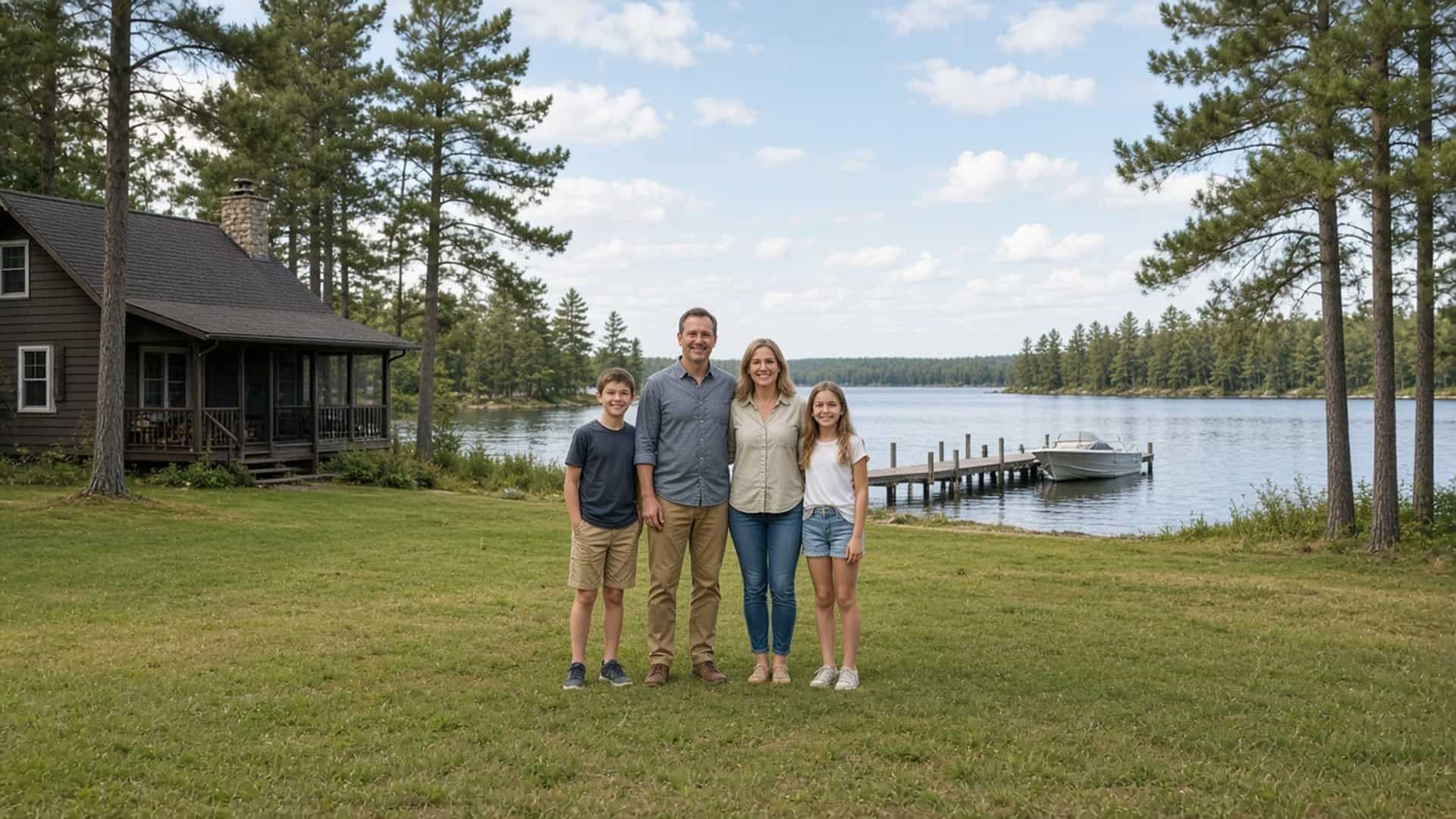
Get a Vacation Home Insurance quote from our local specialists
Capstone Insurance Group
What is vacation home insurance and who needs to buy it?
When you buy a second property, standard homeowners insurance policies rarely provide the protection you need, which is where vacation home insurance steps in. This specialized coverage protects secondary residences, such as lake houses, seasonal cottages, and mountain retreats, from physical damage and liability claims. Often referred to as cabin insurance, this coverage accounts for the unique risks associated with properties that sit empty for weeks or months at a time. Without regular occupancy, minor issues like a slow pipe leak or a small roof tear can quickly spiral into catastrophic damage.
Who actually needs this type of policy? Anyone who owns a property that is not their primary residence should consider this coverage. This includes families with weekend lake getaways, investors who rent out seasonal properties to vacationers, and inherited family cabins passed down through generations. Standard home insurance policies generally require the owner to occupy the home full-time, meaning any claim filed on a vacant secondary home could be denied. Investing in a dedicated policy ensures your asset remains protected, giving you peace of mind whether you are relaxing on-site or managing the property from hundreds of miles away. Because these homes are often located in remote areas, they face delayed emergency response times, making specialized protection even more critical.

























How does vacation home insurance work in Minnesota during the winter?
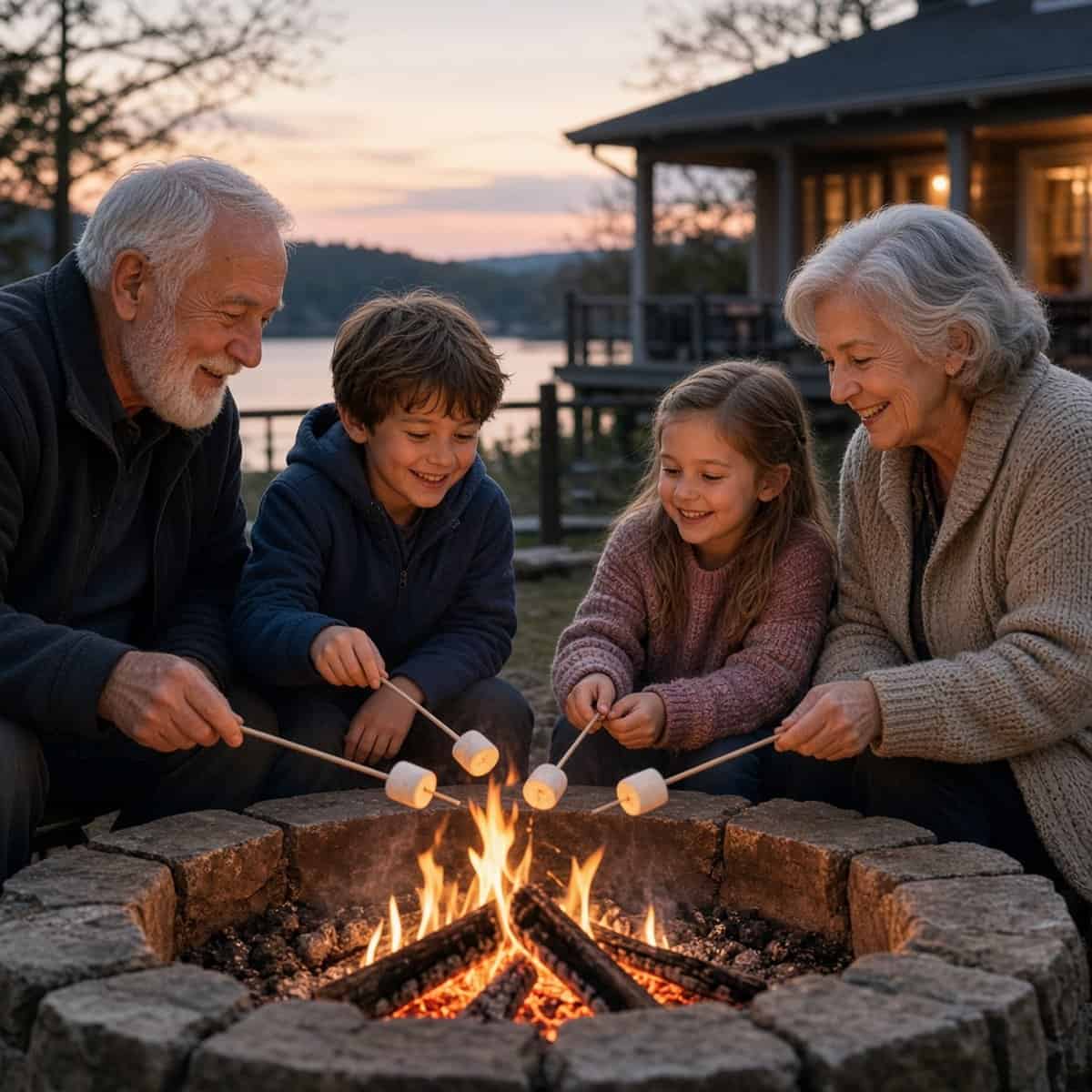
In Minnesota, seasonal properties face severe winter weather that can cause major damage while owners are away. For example, a cabin owner in northern Minnesota might close up their property in October, only for an extreme freeze in January to burst the plumbing pipes. If the leak goes unnoticed for weeks, the water can ruin floors, walls, and personal belongings, resulting in tens of thousands of dollars in repairs. A dedicated policy helps cover these repair costs, whereas a standard policy would likely exclude vacant property damage.
The following data shows the common winter claims filed for seasonal properties, highlighting why specialized coverage is essential for owners who cannot monitor their properties daily:
| Claim Type | Average Claim Cost | Frequency of Occurrence | Primary Prevention Method |
|---|---|---|---|
| Frozen and Burst Pipes | $12,500 | High | Draining water lines and keeping heat at 55 degrees |
| Snow and Ice Collapse | $18,000 | Medium | Professional snow removal from cabin roofs |
| Vandalism and Theft | $4,500 | Medium-High | Installing smart security cameras and deadbolts |
| Wind and Hail Damage | $9,500 | High | Trimming overhanging tree branches before winter |
By reviewing these common scenarios, owners can better prepare for seasonal risks. Whether it is heavy snow collapsing a porch roof or local wildlife breaking through a window, having the right policy ensures you do not pay out of pocket for these expensive seasonal hazards. Many cabin owners find that simple preventative maintenance, combined with a robust insurance policy, is the best way to safeguard their property.
What is the average cost of vacation home insurance in Minnesota?
The price of insuring a second home in Minnesota varies based on several factors, including proximity to water and local fire protection services. Understanding the cost of vacation home insurance helps you budget effectively for your secondary property. Because these homes are vacant for long stretches, premiums are typically higher than those for primary residences.
The table below outlines the estimated annual costs for different types of seasonal properties across the region, helping you plan your insurance budget:
| Property Type | Estimated Annual Premium | Coverage Limit | Typical Deductible |
|---|---|---|---|
| Rustic Woods Cabin | $950 – $1,400 | $200,000 | $1,000 |
| Standard Secondary Home | $1,200 – $1,800 | $350,000 | $1,500 |
| Lakefront Cabin | $1,600 – $2,500 | $450,000 | $2,500 |
| Luxury Lake Estate | $3,000 – $5,000 | $800,000 | $5,000 |
While these figures represent general estimates, your actual rate depends on your property’s specific age, construction materials, and safety features. Installing smart home water shut-off valves, security cameras, and deadbolts can often help lower these premiums by reducing the risk of undetected damage.

What should you consider and what are the limits of cabin insurance?
When shopping for cabin insurance, you must look closely at the policy exclusions and vacancy clauses. Many property owners assume their second home is covered under the same broad terms as their primary residence, but seasonal policies often operate on a named perils basis. This means the policy only covers damage specifically listed in the document, such as fire or lightning, rather than covering all risks by default.
You also need to consider vacancy restrictions. Some policies include clauses that void water damage coverage if the heating system is not maintained or if the water supply is not shut off and drained during winter vacancies. Furthermore, if you plan to rent out your property on short-term rental platforms, you must notify your carrier. Traditional seasonal policies do not cover commercial rental activities, meaning you would need a special endorsement or a commercial policy to protect against guest injuries or guest-caused damage. Understanding these limitations beforehand prevents unpleasant surprises when you need to file a claim. Taking the time to review these details ensures that your coverage aligns perfectly with how you actually use your property throughout the year.
What other coverages should you pair with vacation home insurance?
Most property owners find that vacation home insurance works best when combined with other specialized policies. Because seasonal homes are often located near lakes or wooded areas, standard policies leave gaps that require extra protection.
The table below shows the common coverages that owners typically use in conjunction with their main policy to ensure complete protection across all seasonal activities:
| Policy Type | What It Covers | Why It Pairs Well | Estimated Cost Impact |
|---|---|---|---|
| Flood Insurance | Rising lake water and storm surges | Standard policies exclude water rising from the ground | Moderate |
| Watercraft Insurance | Boats, jet skis, and marine liability | Protects your lake toys and liability on the water | Low to Moderate |
| Umbrella Liability | Excess liability claims above policy limits | Protects personal assets from major lawsuits | Low |
| Sewer Backup Endorsement | Water backing up through drains and sumps | Crucial for cabins with older septic systems | Very Low |
By combining these coverages, you build a protective shield around your seasonal investment. This approach ensures that whether a storm surges from the lake or a guest gets injured on your boat, your financial interests remain secure. Managing these risks collectively simplifies your protection strategy.
What are the key statistics for cabin insurance properties?
Reviewing regional statistics highlights why securing proper cabin insurance is so critical for property owners. Seasonal properties face distinct environmental and human hazards that differ significantly from urban primary homes. For instance, properties located in heavily wooded areas carry a much higher risk of wildfire damage, while isolated lakefront homes are prime targets for break-ins during the off-season.
The table below provides a snapshot of the risk factors associated with seasonal properties and how they impact your coverage needs:
| Risk Factor | Statistical Percentage | Impact on Policy | Recommended Action |
|---|---|---|---|
| Properties Vacant Over 6 Months | 65% of cabins | Requires specialized vacancy permits | Notify your agent of vacancy periods |
| Short-Term Rental Usage | 40% of lakeside homes | Requires commercial rental endorsement | Add rental coverage to your policy |
| Water Damage from Frozen Pipes | 30% of winter claims | Requires winterization compliance | Drain pipes and shut off main valve |
| Theft During Off-Season | 15% of annual claims | Requires security system discounts | Install smart monitoring systems |
These statistics show that seasonal homes require proactive management and specialized protection. By addressing these specific risks with your insurance provider, you can secure a policy that matches your actual usage patterns and property location. Having these measures in place can also qualify you for valuable policy discounts.
How can you secure a vacation home insurance quote today?
This specialized coverage is designed for second-home owners, cabin enthusiasts, and real estate investors who want to protect their investments without worry. Whether you own a quiet hunting cabin in the woods or a bustling lakefront home for weekend family gatherings, we can help you find the right policy. We proudly help over 87 customers with vacation home insurance in Minnesota, ensuring their seasonal retreats remain safe year after year.
Our team makes the process straightforward and stress-free. We have a highly rated Google My Business page built on trust, clear communication, and reliable service. We understand that every seasonal property is unique, which is why we take the time to understand your specific needs before presenting options. Contact us today to receive a personalized quote without any sort of obligation, and let us help you protect your favorite getaway. With our local expertise, we make finding the right coverage simple and efficient.
Get a Quote
Share your details with us, and our team of friendly agents will be in touch with you soon!