
Get a Warehouse And Storage Facility Insurance quote from our local specialists
Capstone Insurance Group
What is warehouse and storage facility insurance and who needs it?
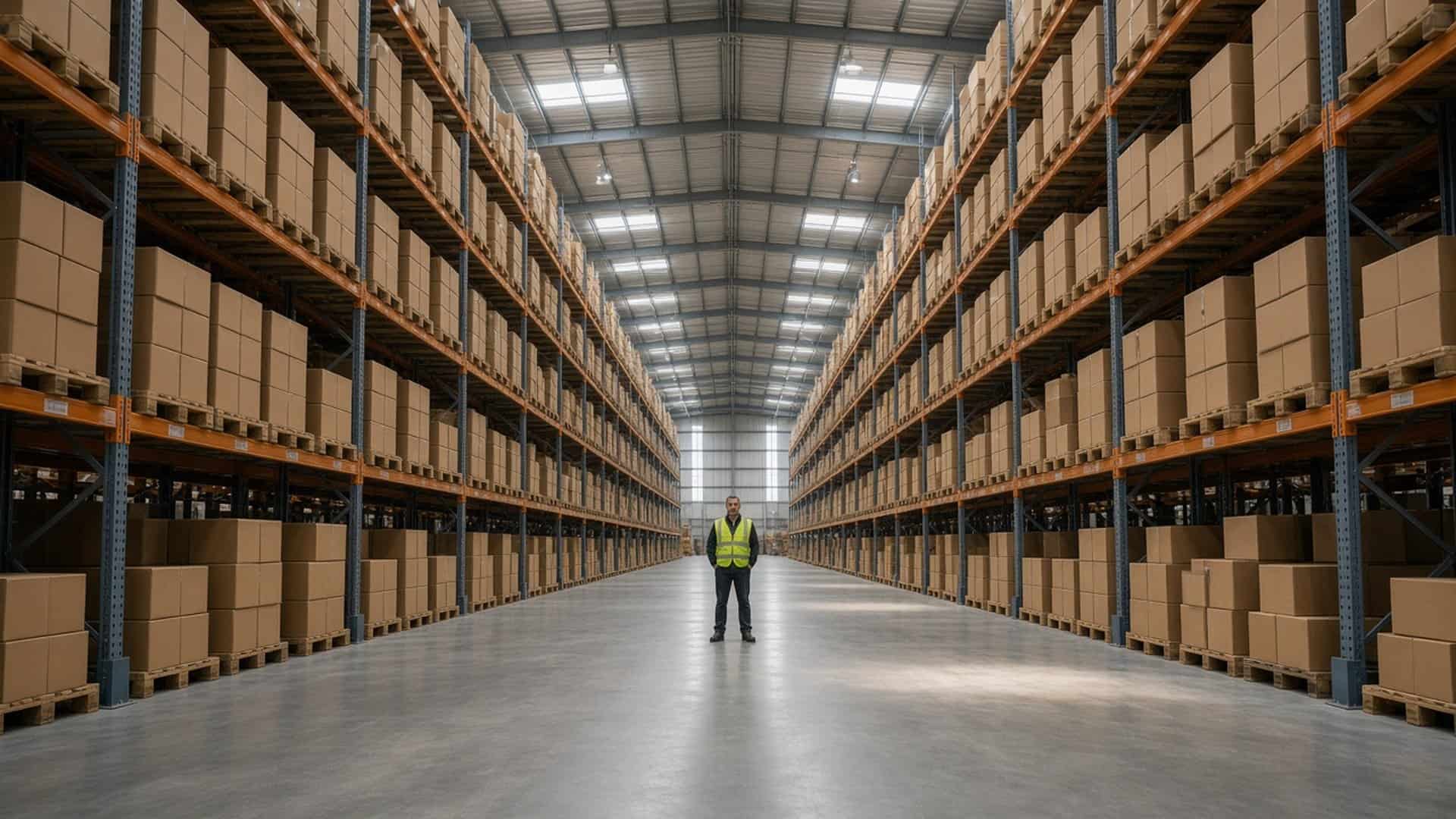
Running a storage operation involves managing significant risks, especially when you are responsible for valuable goods belonging to other people. Warehouse And Storage Facility Insurance is a specialized commercial policy designed to protect business owners from the unique liabilities associated with storing inventory, equipment, or personal belongings. Whether you run a cold storage facility, a distribution hub, or a self-storage complex in Minnesota, this coverage shields your business from devastating financial losses. It addresses risks ranging from structural damage to the physical building to the loss of customer goods due to fire, theft, or natural disasters. Standard commercial property policies often exclude items owned by third parties, which is why having dedicated warehouse liability insurance is essential. This specific coverage ensures that if customer property is damaged while under your care, custody, and control, your business is not left paying for the replacement costs out of pocket. From small local storage garages to massive logistics hubs, any business that holds goods for others needs this protective safety net to secure their operations, maintain client trust, and protect their bottom line from unexpected disasters.

























How does warehouse and storage facility insurance work in Minnesota?
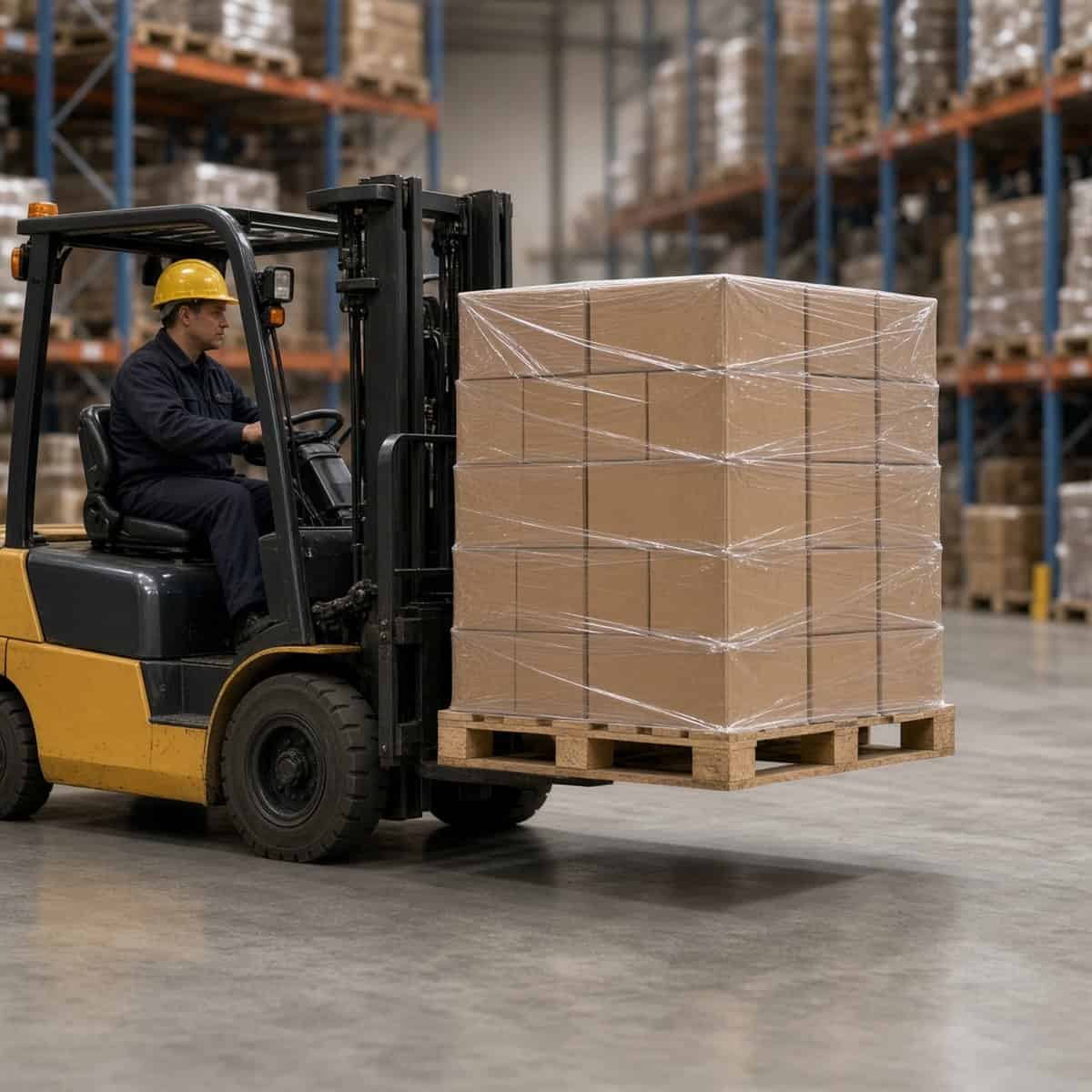
To understand how this coverage functions, consider a real-world scenario involving a logistics provider in Minneapolis. During a harsh Minnesota winter, heavy snow accumulation caused a partial roof collapse at a local distribution center. The collapse damaged thousands of dollars worth of electronic goods owned by a major retail client. Because the operator had Warehouse And Storage Facility Insurance, the policy stepped in to handle the claims. Specifically, the warehouse liability insurance portion of the policy covered the cost of the damaged inventory, while the property damage portion funded the roof repairs. Without this protection, the business would have faced direct lawsuits from the retailer and potentially devastating out-of-pocket repair bills. The table below illustrates common claims filed by storage facilities in the region, showcasing the diverse risks operators face throughout the year.
| Claim Type | Common Cause in Minnesota | Average Claim Severity |
|---|---|---|
| Water Damage | Frozen pipe bursts or roof leaks | Moderate to High |
| Structural Collapse | Heavy snow accumulation | High |
| Theft & Vandalism | Security breaches or break-ins | Moderate |
| Fire Damage | Electrical malfunctions or heating issues | Very High |
This data highlights why proactive risk management and robust coverage are vital for maintaining continuous operations in the local storage sector.
How much does warehouse and storage facility insurance cost in Minnesota?
The cost of securing your storage operation depends on several unique factors, including the size of your building, the security measures you have in place, and the total value of the goods you store. In Minnesota, insurance carriers evaluate these details to determine your premiums. For example, a facility equipped with modern sprinkler systems, 24/7 video surveillance, gated access, and climate control will generally secure lower rates than an older, unprotected building. To help you plan your risk management budget and understand your potential expenses, the table below outlines the typical annual costs associated with Warehouse And Storage Facility Insurance for different types of operations in the state.
| Facility Type | Estimated Annual Premium | Primary Coverage Focus |
|---|---|---|
| Small Self-Storage Facility | $2,500 – $5,000 | General Liability & Property |
| Mid-Sized Distribution Center | $6,000 – $12,000 | Warehouse Liability & Building |
| Large Cold Storage Facility | $15,000 – $35,000+ | Equipment Breakdown & Cargo Spoilage |
While these figures represent general averages, your actual costs will vary based on your specific operational risks, location, and selected policy limits. Working with an independent agent can help you find discounts and customize a policy that fits your budget.
What should you consider and what are the limitations of warehouse and storage facility insurance?
When shopping for coverage, it is crucial to understand both the benefits and the inherent limitations of your policy. A standard property policy protects your physical structure, but it does not automatically cover the inventory owned by your clients. This is where warehouse liability insurance becomes indispensable, as it specifically covers third-party items under your care. However, even these policies have clear exclusions that you must review carefully. For example, most policies will not cover damage caused by gradual wear and tear, mysterious disappearance of inventory without evidence of theft, or damage resulting from insect and rodent infestations. Additionally, employee dishonesty is typically excluded from standard liability plans, meaning you would need a separate commercial crime policy to protect against internal theft or fraud. Understanding these boundaries ensures you do not face unexpected gaps when a claim arises. Working with an experienced agent allows you to customize your Warehouse And Storage Facility Insurance to include specific endorsements, such as temperature change coverage for cold storage, transit coverage for goods you transport yourself, or business interruption insurance to cover lost income during a forced shutdown.
What other coverages should you combine with warehouse and storage facility insurance?
While Warehouse And Storage Facility Insurance forms the foundation of your risk management strategy, it works best when combined with other essential commercial policies. Operating a storage business involves risks that extend beyond property damage and bailee liability. For instance, your employees could get injured on the job while handling heavy machinery, or a digital breach could compromise your clients’ billing and personal information. To provide a complete safety net, business owners typically package multiple coverages together. The table below details the secondary policies that storage operators frequently use alongside their primary warehouse protection to ensure they are fully covered against everyday operational hazards.
| Policy Type | What It Covers | Why Storage Facilities Need It |
|---|---|---|
| Workers’ Compensation | Employee injuries and lost wages | Protects staff handling heavy inventory |
| Cyber Liability Insurance | Data breaches and cyber attacks | Secures digital booking and payment systems |
| Commercial Auto Insurance | Vehicles used for business operations | Covers delivery vans and facility trucks |
| Umbrella Liability | Excess liability limits | Provides extra protection for catastrophic claims |
Integrating these coverages ensures that your business remains resilient against virtually any operational threat, safeguarding both your physical assets and your financial future.
What are the key statistics for warehouse and storage facility insurance in Minnesota?
The storage and logistics sector in Minnesota has grown rapidly, driven by the rise of e-commerce and supply chain shifts. This growth brings increased exposure to risks, particularly weather-related events. Minnesota winters present severe challenges, from heavy snow loads that threaten roof integrity to freezing temperatures that cause pipe bursts. Industry data indicates that water damage and structural issues account for a significant portion of commercial property claims in the state. Furthermore, as inventory values rise, the financial impact of a single loss event can be devastating. Having robust warehouse liability insurance is no longer optional for businesses that want to secure high-value contracts with major retail clients, as most partners require proof of coverage before signing. The table below highlights key operational statistics that reflect the current state of the warehousing industry and its associated risks.
| Industry Metric | State Statistic | Impact on Insurance |
|---|---|---|
| Annual Weather-Related Claims | Over 35% of total claims | Drives demand for robust property coverage |
| Average Inventory Value per Sq. Ft. | $150 – $300 | Requires higher liability limits |
| E-commerce Storage Growth | 12% year-over-year increase | Increases need for specialized cyber and cargo coverage |
Staying informed about these trends helps facility owners make smart decisions regarding their policy limits and deductibles.
Who is this coverage designed for and how can you get a quote?
This specialized coverage is designed for a wide range of professionals, including third-party logistics providers, cold storage operators, self-storage owners, and distribution managers. Protecting your facility and your clients’ assets requires a partner who understands the unique risks of the local market. We proudly help over 87 customers with Warehouse And Storage Facility Insurance in Minnesota, offering tailored coverage solutions that keep businesses moving forward. Our team has built a highly rated Google My Business page by delivering responsive service, clear communication, and reliable claims support when it matters most. We make the process of securing protection straightforward, stress-free, and highly transparent. Contact our experienced agents today to discuss your operational needs, review your current policy for potential gaps, and receive competitive quotes without any sort of obligation. Let us help you safeguard your investment so you can focus on growing your business with absolute peace of mind and confidence in your coverage.
Get a Quote
Share your details with us, and our team of friendly agents will be in touch with you soon!