
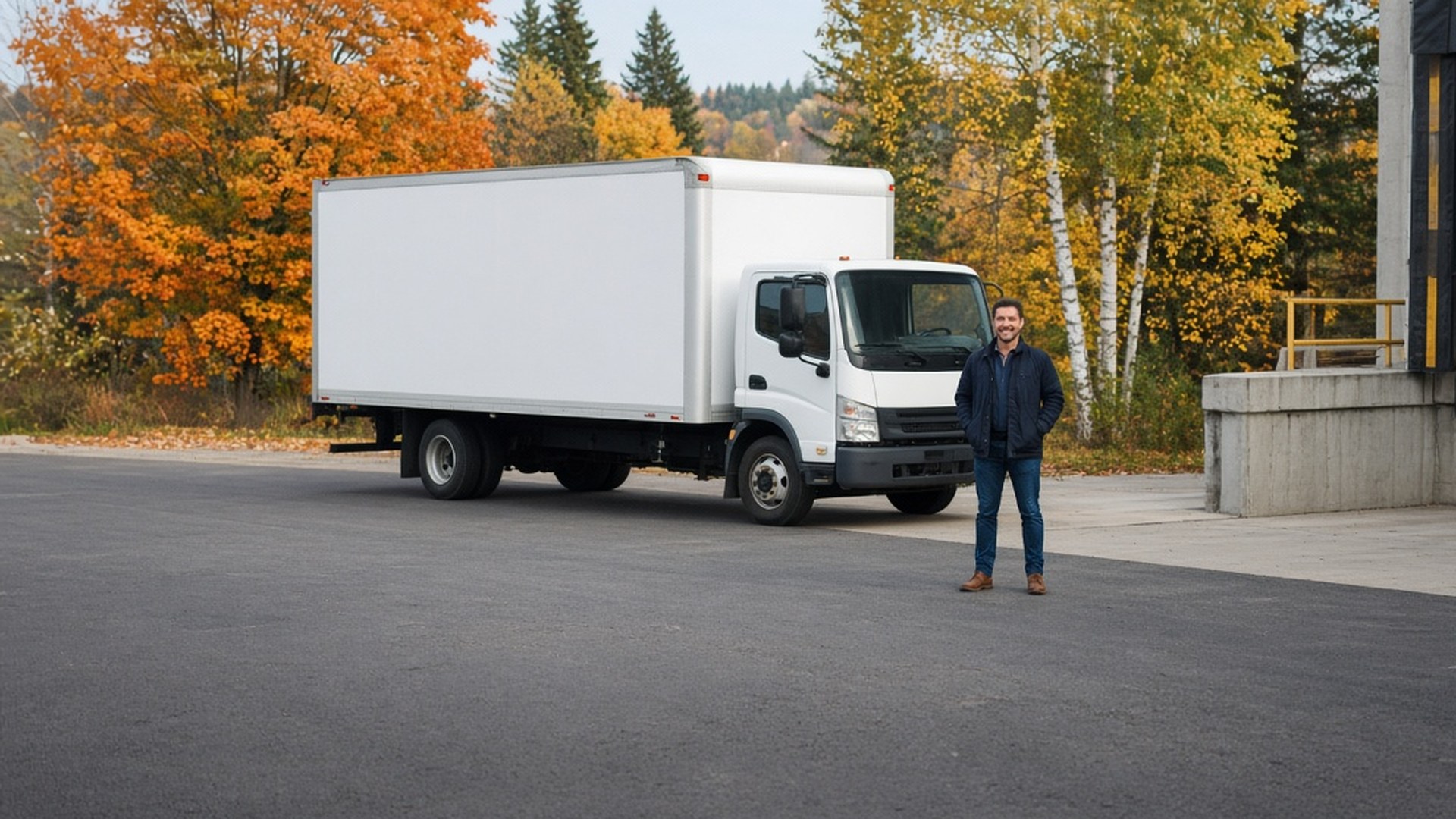
Get a Box Truck Insurance quote from our local specialists
Capstone Insurance Group
What is box truck insurance and who may need it in Minnesota?
Box truck insurance is a specialized type of commercial auto insurance designed to protect businesses that use straight trucks, moving trucks, or delivery vans. This coverage steps in to pay for damages, medical bills, and legal fees if your vehicle is involved in an accident. If you operate a fleet for furniture delivery, moving services, or local freight transport, this policy protects your financial assets.
Business owners in Minnesota who rely on these vehicles need proper protection to stay legally compliant and financially secure. Whether you run an independent bakery making daily deliveries or manage a large courier service, having the right policy ensures a single collision does not bankrupt your operation. It serves as a crucial safety net for any company transporting goods across town or across the state.
Because the risks associated with driving large vehicles are higher than standard passenger cars, standard policies will not cover these operations. You need a dedicated commercial policy tailored to the weight class, operating radius, and cargo of your specific vehicles. Without it, you expose your business to devastating lawsuits and property damage costs.
Many new business owners mistakenly believe their personal auto policy will cover a rented or owned delivery vehicle. However, the moment a vehicle is used for commercial purposes, personal policies exclude coverage. Securing the proper protection guarantees that your drivers, your vehicles, and the public remain protected during every trip.
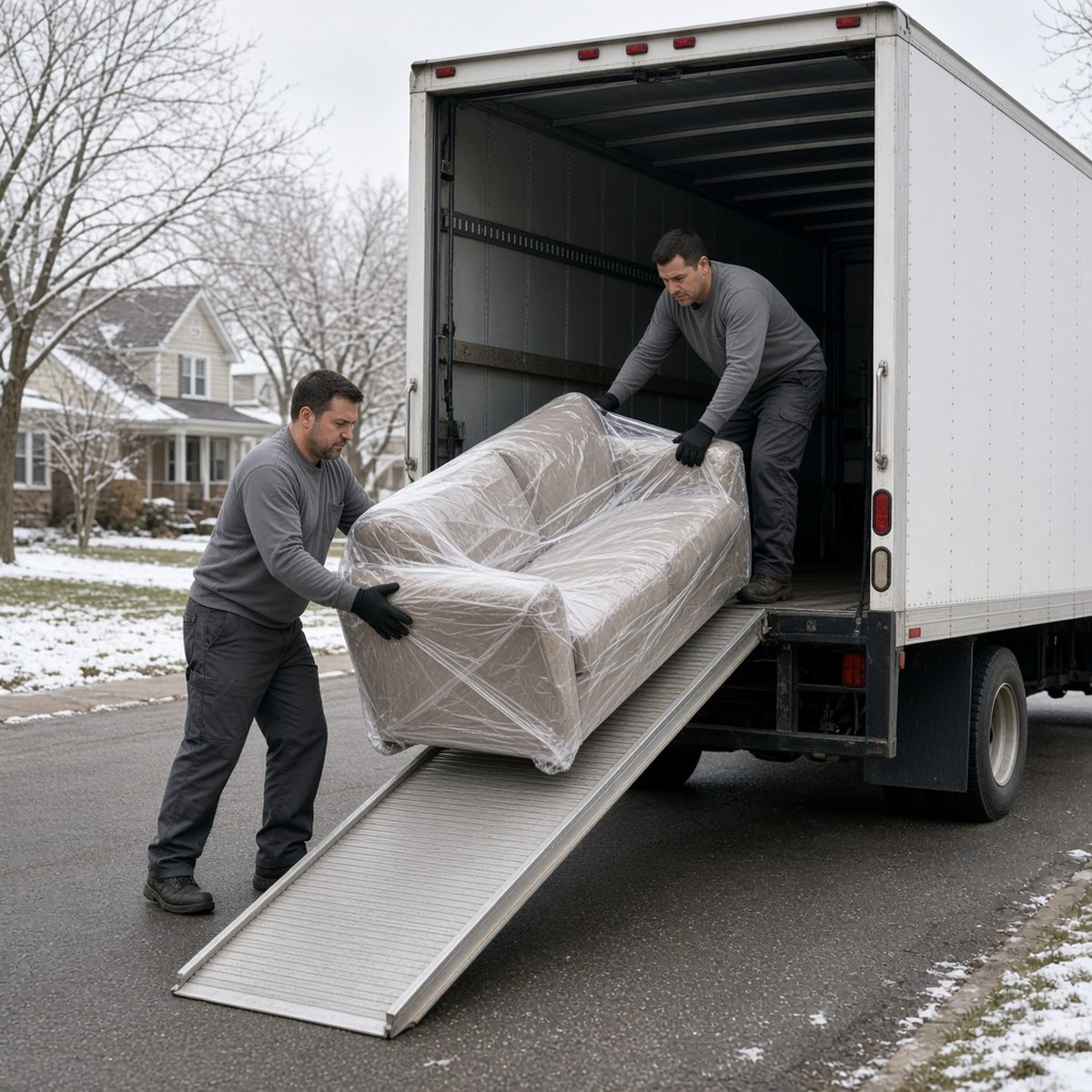
What is a real-world example of box truck insurance protection in Minnesota?
Operating commercial vehicles in busy urban areas presents significant daily risks. Traffic density directly impacts the likelihood of accidents and the resulting insurance claims for local delivery drivers. According to cms.ncwc.edu, the Twin Cities metro area ranks among the most congested regions in the U.S., with average annual delays costing businesses over $1.2 billion.
This heavy congestion means delivery drivers spend more time in stop-and-go traffic, significantly increasing the chances of rear-end collisions, side-swipes, and intersection accidents. A real-world example involves a local commercial moving company navigating these exact Twin Cities delays. If their driver accidentally rear-ends another passenger vehicle during rush hour, their commercial coverage activates to cover the damages.
| Risk factor | Affected region | Financial and operational impact |
|---|---|---|
| Severe traffic congestion | Twin Cities metro area | Over $1.2 billion in annual delay costs |
| Stop-and-go driving | Urban Minnesota routes | Increased collision and claim frequency |
| Extended transit times | Statewide delivery routes | Higher exposure to unpredictable road hazards |
In this scenario, the liability portion of their commercial auto insurance pays for the repairs to the other car and covers the medical bills of the injured driver. If the moving company also carries physical damage coverage, the policy helps repair the front end of their own truck.
Without adequate protection, the business would have to pay for these expensive damages entirely out of pocket. The table above highlights how urban congestion translates into real financial and operational risks for local fleets, proving why robust protection is an absolute necessity.
How much does box truck insurance cost in Minnesota?
The cost of this coverage in Minnesota varies significantly based on your driving history, cargo type, and the coverage limits you select. Because every business carries a unique risk profile, insurance carriers do not offer a single flat rate. Instead, underwriters evaluate how far you drive, the experience level of your drivers, and the specific requirements of your state filings.
To legally operate on public roads, you must meet state minimums. According to Logrock, Minnesota’s minimum liability requirements for commercial vehicles include $30,000 bodily injury per person, $60,000 bodily injury per accident, and $10,000 property damage per accident. However, many businesses opt for much higher limits to fully protect their assets from severe lawsuits.
| Coverage level | Liability limits | Estimated monthly cost |
|---|---|---|
| State minimum liability | $30,000 / $60,000 / $10,000 | Varies by carrier and driver record |
| Standard commercial auto | Varies based on business needs | Varies by carrier and vehicle weight |
| Intrastate for-hire limits | State mandated filing requirements | Varies by carrier and cargo type |
Factors like the gross vehicle weight of your trucks and the age of your drivers also heavily influence your final premium. Younger drivers or those with recent traffic violations will naturally push the cost higher. Working with an experienced agent helps you navigate these pricing variables effectively.
An independent agent can compare quotes from multiple providers to find the most competitive rate for your specific commercial auto insurance needs. By balancing your deductibles and coverage limits, you can secure affordable premiums without sacrificing essential protection.

What should you consider when looking for box truck insurance coverage?
When shopping for box truck insurance, you must first evaluate your specific regulatory requirements. Different types of operations require different levels of coverage to remain compliant. For example, if you transport goods for others, your legal obligations change significantly compared to a company hauling its own tools.
According to the Minnesota Trucking Permits and Intrastate Authority Guide, for-hire motor carriers operating only inside Minnesota must have insurance filings with at least $100,000 for bodily injury to or death of one person, $300,000 for all persons in one accident, and $50,000 for damage to property of others (other than cargo).
Beyond state requirements, consider the physical damage coverage for your own vehicles. If a severe hail storm or vandalism damages your fleet while parked overnight, liability-only policies offer no financial help. You should also carefully review policy limitations, such as restricted driving radiuses or strict exclusions for hauling specific hazardous materials.
Always read the fine print to ensure your daily operations do not fall under a hidden policy exclusion. Additionally, factor in the financial stability and customer service reputation of the insurer. If one of your drivers has a severe accident, you want a carrier that processes commercial auto insurance claims quickly and fairly, minimizing your overall business downtime.
What other insurance coverages are commonly paired with box truck insurance?
While a standard policy covers liability and vehicle damage, most transportation businesses face additional risks that require extra protection. A single commercial vehicle policy rarely covers every potential hazard your business might encounter. For instance, if you drop a client’s expensive equipment while carrying it from the truck to their office building, your auto liability will not cover the damage.
To build a complete safety net, business owners frequently bundle multiple policies together. This strategic approach ensures there are no dangerous financial gaps in your coverage profile. The comparison table below outlines the most common policies paired with box truck insurance in the state.
| Related coverage type | What the policy protects | Common business use case |
|---|---|---|
| Motor truck cargo insurance | Client goods and freight in transit | Replacing damaged furniture after a crash |
| General liability insurance | Non-driving business risks and injuries | A customer slips at your loading dock |
| Workers compensation | Employee medical bills and lost wages | A driver hurts their back lifting a heavy box |
| Physical damage coverage | Your own commercial vehicle | Repairing a truck after a severe hail storm |
Adding motor truck cargo coverage is especially critical for delivery services, as it protects the actual items you are hauling. General liability covers you for accidents that happen outside the vehicle, such as property damage during a delivery walk-through.
Discussing these various options with your agent ensures you protect your employees, your clients, and your bottom line from unforeseen events. A well-rounded insurance portfolio is the best defense against unexpected operational disruptions.



























What are key box truck insurance statistics and trends in Minnesota?
The commercial transportation sector constantly evolves, and staying informed about regional trends helps business owners anticipate changes in their coverage needs. In recent years, urban expansion and increased online shopping have put more delivery vehicles on local roads. This surge directly impacts traffic patterns, road safety, and specialized truck coverage rates across the region.
As mentioned earlier, the congestion in major economic hubs is a primary driver of risk. According to cms.ncwc.edu, average annual delays cost businesses over $1.2 billion in the Twin Cities metro area. This highlights the severe operational strain on local fleets. More time spent in heavy traffic correlates directly with higher accident frequencies, which in turn pressures insurance carriers to adjust their risk models and pricing structures.
Another notable trend is the strict enforcement of state filing limits by local authorities. Regulatory bodies consistently monitor compliance to ensure all operators carry sufficient financial backing to cover potential damages. Carriers must strictly adhere to the limits outlined by the Minnesota Trucking Permits and Intrastate Authority Guide, which mandates at least $100,000 for bodily injury to or death of one person, $300,000 for all persons in one accident, and $50,000 for damage to property of others for intrastate for-hire operators.
Staying ahead of these trends and maintaining a clean safety record are the best ways for businesses to secure favorable coverage rates. Investing in driver training and regular vehicle maintenance can help mitigate the risks associated with these growing state-wide challenges.
Who needs box truck insurance and how can you get a quote in Minnesota?
Any business that uses straight trucks, moving vans, or large delivery vehicles needs dedicated box truck insurance to protect their daily operations. This includes local movers, final-mile delivery contractors, furniture retailers, appliance installers, and independent owner-operators. Relying on a standard personal policy for any type of business use is a dangerous mistake that can lead to denied claims and severe financial penalties.
We help hundreds of customers secure reliable commercial coverage locally, ensuring they meet all regulations while protecting their valuable business assets. Our team understands the unique challenges of local transportation, from navigating urban congestion to meeting specific cargo and liability requirements. We take pride in our highly rated Google My Business page, which reflects our long-standing commitment to exceptional customer service and transparent, honest advice.
Getting the right protection does not have to be a stressful or time-consuming process. We simplify the quoting experience by gathering basic information about your operations, your drivers, and your vehicles. We can offer customized quotes without any sort of obligation or high-pressure sales tactics.
Contact us today to discuss your fleet size, cargo types, and driving radius. Let our experienced agents build a tailored policy to fit your exact business needs, giving you the peace of mind to focus on growing your company.
Get a Quote
Share your details with us, and our team of friendly agents will be in touch with you soon!