
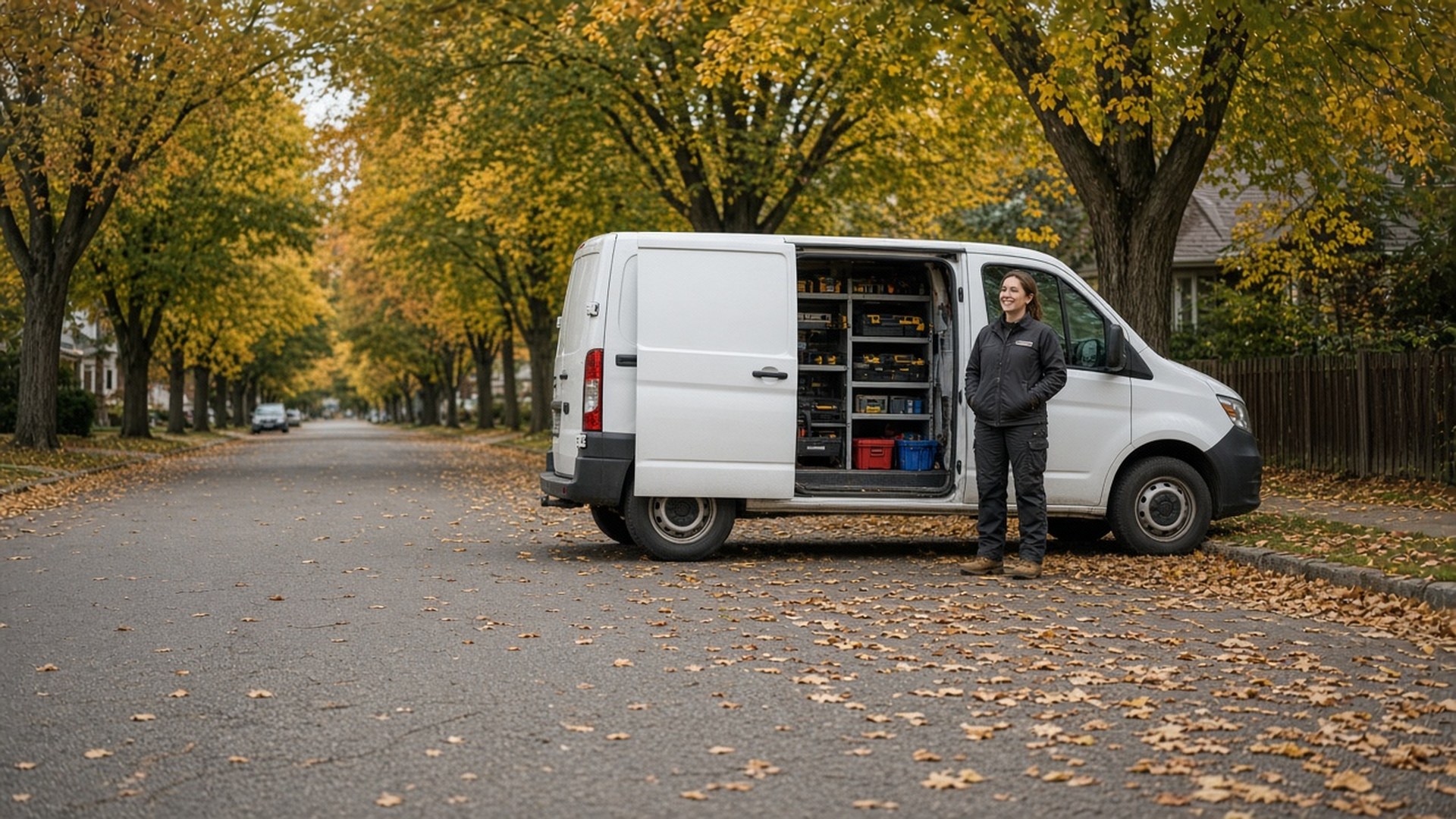
Get a Cargo Van Insurance quote from our local specialists
Capstone Insurance Group
What is cargo van insurance and who may need it?
Operating a business that relies on transporting goods, tools, or equipment requires specific protection. In this context, specialized commercial coverage serves as a policy designed to cover the unique risks associated with driving work vans. Whether you operate a single vehicle or manage an entire fleet, this protection steps in to pay for physical damage, liability claims, and medical expenses resulting from a collision. Standard personal policies exclude business use, making a dedicated commercial policy necessary to avoid denied claims and heavy financial losses.
Many different types of professionals rely on this protection to keep their operations running smoothly. Plumbers, electricians, and HVAC technicians use their vans as mobile workshops, carrying expensive tools from job to job. Delivery drivers and couriers transport valuable goods that need protection while in transit. Florists, caterers, and mobile pet groomers also depend on their vehicles to serve clients daily. If your vehicle is registered to a business or used primarily for commercial purposes, you need this specific type of protection to remain legally compliant.
Driving in Minnesota introduces specific hazards that make adequate coverage even more critical. From navigating icy urban streets in Minneapolis during the winter to traveling long distances on rural highways, local business owners face a variety of daily driving risks. A robust policy ensures that a single collision or weather-related incident does not derail your financial stability. By securing the right commercial auto insurance, you protect your livelihood, your employees, and your business assets from unexpected roadside events.
Understanding the nuances of your coverage options allows you to tailor a policy to your exact operational needs. Different businesses require varying levels of protection based on their daily driving radius, typical cargo, and vehicle modifications. Taking the time to evaluate your specific day-to-day operations helps ensure you are never left underinsured when an emergency strikes on the road.

What is a real-world example of cargo van protection in Minnesota?
To understand the practical value of cargo van insurance, it helps to look at the real-world driving conditions and accident data within the state. Winter weather, heavy traffic, and long transit routes create an environment where accidents are unfortunately common. When a business vehicle is involved in a collision, the resulting property damage and medical bills can easily reach tens of thousands of dollars. Without proper coverage, a small business could be forced to pay these costs out of pocket, potentially leading to bankruptcy.
Recent data highlights just how frequently these incidents occur on local roads. According to Bennerotte & Associates, P.A., more than 3,000 people were involved in accidents with trucks in Minnesota in 2022 alone. This figure illustrates the high volume of commercial vehicle collisions and underscores the necessity of carrying adequate liability and physical damage protection. Furthermore, the harsh winter climate plays a massive role in local driving risks. Data provided by cms.ncwc.edu reveals that 30% of all commercial auto claims in Minnesota are weather-related due to over 120 inches of annual snowfall.
The following table provides a clear snapshot of these key commercial driving risks based on the sourced data.
| Risk Factor | Data Point | Impact on Business Owners |
|---|---|---|
| Commercial Collisions | More than 3,000 people were involved in accidents with trucks in Minnesota in 2022 alone. | High probability of liability claims and property damage requiring robust coverage. |
| Weather-Related Incidents | 30% of all commercial auto claims in Minnesota are weather-related due to over 120 inches of annual snowfall. | Increased need for collision and physical damage coverage during winter months. |
When a local delivery driver hits a patch of black ice and slides into another vehicle, their commercial policy steps in to cover the damages. The liability portion pays for the other driver’s vehicle repairs and medical evaluations, while the collision coverage handles the repairs to the delivery van. This real-world application shows exactly why carrying proper commercial vehicle protection is a fundamental part of responsible business management.
How much does cargo van insurance cost in Minnesota?
Pricing for commercial vehicle coverage varies based on several factors, including the driver’s record, the vehicle’s value, and the chosen coverage limits. However, reviewing industry averages provides a helpful baseline for budgeting. According to Insureon, the average commercial auto insurance cost in Minnesota is $213 per month. Annually, Insureon notes that commercial auto insurance in Minnesota costs an average of $2,560 annually.
Rates can differ depending on the specific type of business and the exact classification of the van. For instance, Logrock states that commercial cargo van insurance costs about $100 to $250 a month for a contractor or service van. Looking at a broader range of commercial uses, Logrock also reports that commercial insurance for a cargo van typically costs $120–$800+ per month per van. The table below outlines these pricing benchmarks.
| Coverage Category | Average Cost | Source |
|---|---|---|
| Minnesota Monthly Average | $213 per month | Insureon |
| Minnesota Annual Average | $2,560 annually | Insureon |
| Contractor/Service Van | $100 to $250 a month | Logrock |
| General Cargo Van Range | $120–$800+ per month | Logrock |
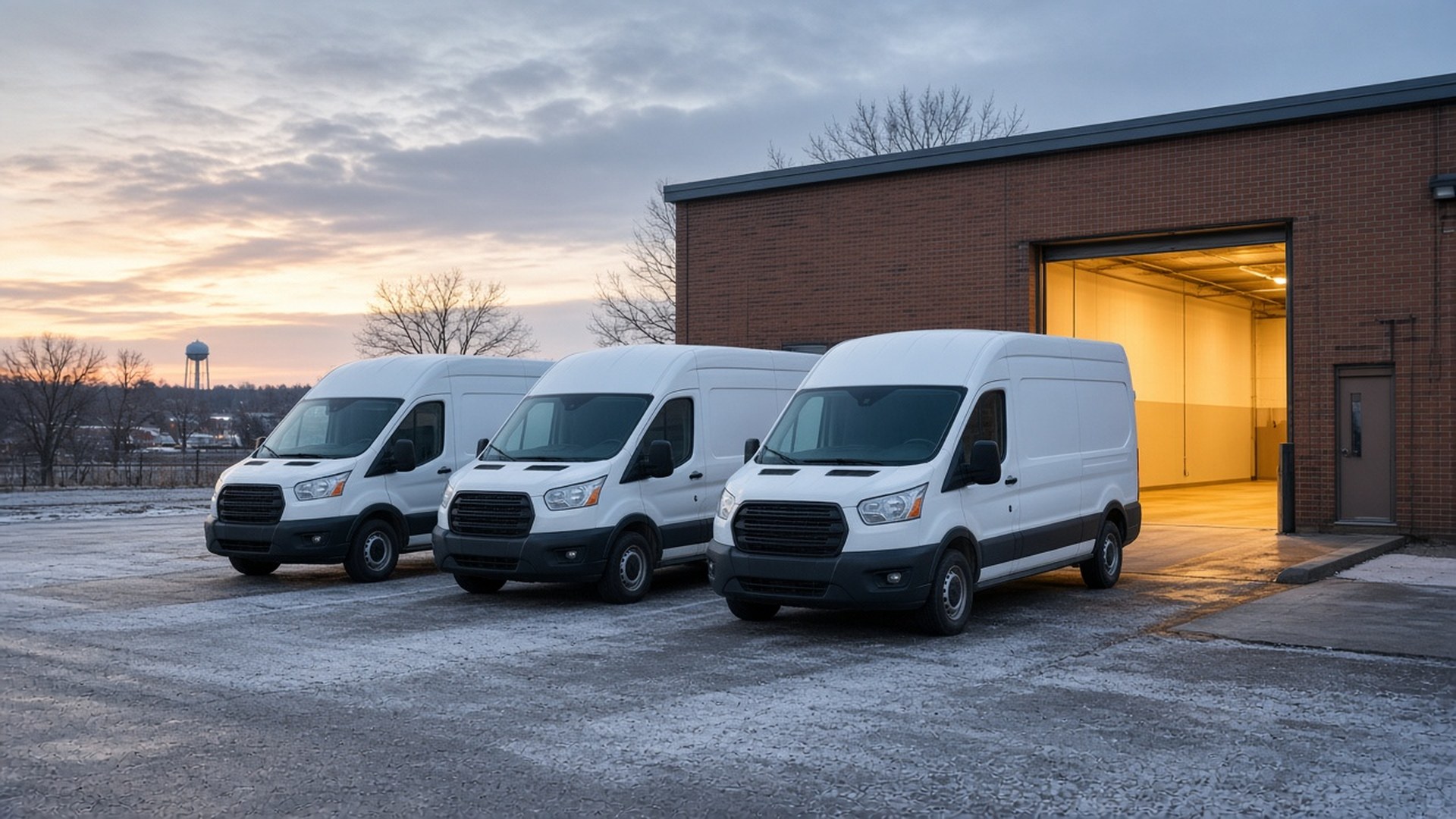
What should you consider when looking for cargo van coverage?
When shopping for commercial van coverage, your first priority must be meeting state legal requirements. Every commercial vehicle operating on public roads must carry specific minimum liability limits to ensure financial responsibility in the event of a crash. According to cms.ncwc.edu, for commercial vehicles, Minnesota requires $75,000 per person for bodily injury or death, $150,000 per accident for bodily injury or death, and $25,000 per accident for property damage. Operating without these minimums can result in severe fines, license suspension, and devastating out-of-pocket costs if you cause an accident.
In addition to standard liability, local regulations mandate personal injury protection. According to Progressive Commercial, Minnesota state law requires a minimum of $40,000 in personal injury protection (PIP) for commercial auto insurance. This coverage is crucial because it pays for medical expenses, lost wages, and replacement services for you or your passengers regardless of who is at fault in the collision. Given the high cost of healthcare, many business owners choose to purchase limits well above the state mandated minimums.
Beyond legal requirements, you must consider the specific limitations of a standard commercial auto policy. Most basic policies cover the vehicle itself but exclude the tools, equipment, or goods stored inside. If your van is broken into, your auto policy will fix the broken window, but it will not reimburse you for stolen power tools or undelivered client packages. Understanding these exclusions is vital for building a complete risk management strategy.
Finally, consider the deductibles and coverage limits that make the most sense for your cash flow. A higher deductible will lower your monthly premium, but you must have that cash readily available if an accident occurs. Balancing your monthly budget against your potential out-of-pocket risk ensures you select a policy that protects both your physical assets and your bottom line.
What other insurance coverages are commonly paired with this policy?
Because commercial vehicle policies primarily cover the van itself and driving liabilities, business owners usually need additional policies to close remaining coverage gaps. Standard vehicle policies do not protect the items you transport, nor do they cover accidents that happen outside the vehicle on a job site. To achieve total protection, most contractors and delivery businesses bundle their auto coverage with other essential commercial lines.
General liability is the most common pairing, as it covers third-party bodily injury and property damage that occurs during normal business operations. Inland marine coverage is also critical; this policy protects the expensive tools, materials, and goods while they are in transit inside your van. Additionally, if you have employees driving your vehicles, workers’ compensation is usually required by law to cover their medical bills if they are injured on the job. The table below illustrates how these policies work together.
| Complementary Policy | Primary Purpose | Why It Pairs Well |
|---|---|---|
| General Liability | Covers third-party injuries and property damage at job sites. | Fills the gap when an accident happens outside of the vehicle. |
| Inland Marine / Cargo | Protects tools, equipment, and goods in transit. | Covers the valuable contents inside the van that auto policies exclude. |
| Workers’ Compensation | Pays medical bills and lost wages for injured employees. | Provides necessary protection if your driver is hurt in a collision. |


























What are key commercial vehicle statistics and trends in Minnesota?
Staying informed about local risk trends helps business owners make better decisions regarding their coverage limits and security protocols. One of the most pressing concerns for fleet managers and independent contractors in the region is the rising rate of vehicle-related crimes. Commercial vans are frequent targets for criminals because they often contain expensive power tools, specialized equipment, and valuable client merchandise. According to cms.ncwc.edu, theft rates in Minnesota exceed the national average by 22%. This alarming statistic highlights the critical need for adequate physical damage limits, which pay to replace your vehicle if it is stolen or vandalized.
Another major trend impacting the local insurance market is the increasing frequency and severity of weather-related claims. The region is known for its long, severe winters, which create hazardous driving conditions for months at a time. Fleet operators must contend with black ice, heavy snowfall, and reduced visibility, all of which drastically increase the likelihood of a collision. Insurers calculate premiums based on these regional risk factors, meaning local businesses often face different pricing structures compared to companies operating in milder climates.
Additionally, the rising cost of vehicle repairs continues to influence the commercial auto market. Modern commercial vans are equipped with advanced safety sensors, backup cameras, and complex computer systems. When these vehicles are involved in a crash, replacing these high-tech components is significantly more expensive than repairing older, traditional models. This trend toward costlier repairs means that carrying adequate physical damage limits is more important than ever.
Business owners who proactively manage these risks often secure better rates over time. Implementing strict driver training programs, installing GPS tracking devices, and securing vehicles in well-lit, locked facilities can help mitigate the risks of theft and accidents. By understanding these local trends, you can work effectively with your agent to build a resilient and cost-effective insurance strategy.
Who needs this coverage and how can you get a quote locally?
Any business professional who uses a van for work purposes needs a dedicated commercial auto policy. This includes independent contractors, expedited freight delivery drivers, tradespeople like electricians and plumbers, and small business owners who transport goods to local markets. If your vehicle is registered under a business name, or if you primarily use it to visit job sites and deliver products, a standard personal auto policy will not cover you in the event of an accident. Securing the right commercial coverage is the only way to protect your financial assets from road-related liabilities.
Finding the right policy does not have to be a stressful or overly complicated process. We specialize in helping local businesses navigate the complexities of commercial risk management. Our team helps hundreds of customers with cargo van insurance in Minnesota, ensuring they secure the exact coverage limits required for their specific daily operations. We understand the unique challenges of operating a business in this state, from navigating harsh winter driving conditions to meeting strict state regulatory requirements.
Customer service and trust are at the core of our business model. We are proud to maintain a highly rated Google My Business page, reflecting our commitment to transparent communication and reliable support for our clients. When you work with our agency, you gain a dedicated partner who will advocate for your business, explain your policy options clearly, and assist you promptly if you ever need to file a claim.
Taking the next step to protect your business is simple and entirely risk-free. We can offer quotes without any sort of obligation, allowing you to review your options and compare rates comfortably. Contact our office today to speak with a licensed commercial insurance specialist. We will review your current vehicle usage, discuss your budget, and provide a customized quote designed to keep your business moving forward safely.
Get a Quote
Share your details with us, and our team of friendly agents will be in touch with you soon!